
Oreate AI
Oreate AI Image Generator
Explore Oreate AI image creation, then build a still with Seedream 5 Pro on Kling3.io. Write a clear prompt, add a useful reference, and review the result.
Create an image with Seedream 5 Pro on Kling3.io
Oreate AI offers an image workspace for turning text and visual references into stills. The generator below runs on Kling3.io with Seedream 5 Pro, giving you a focused place to test composition, light, and subject detail.
Oreate AI Image Generator
Create an image with Seedream 5 Pro on Kling3.io
Sign in to use batch and repeat generation.

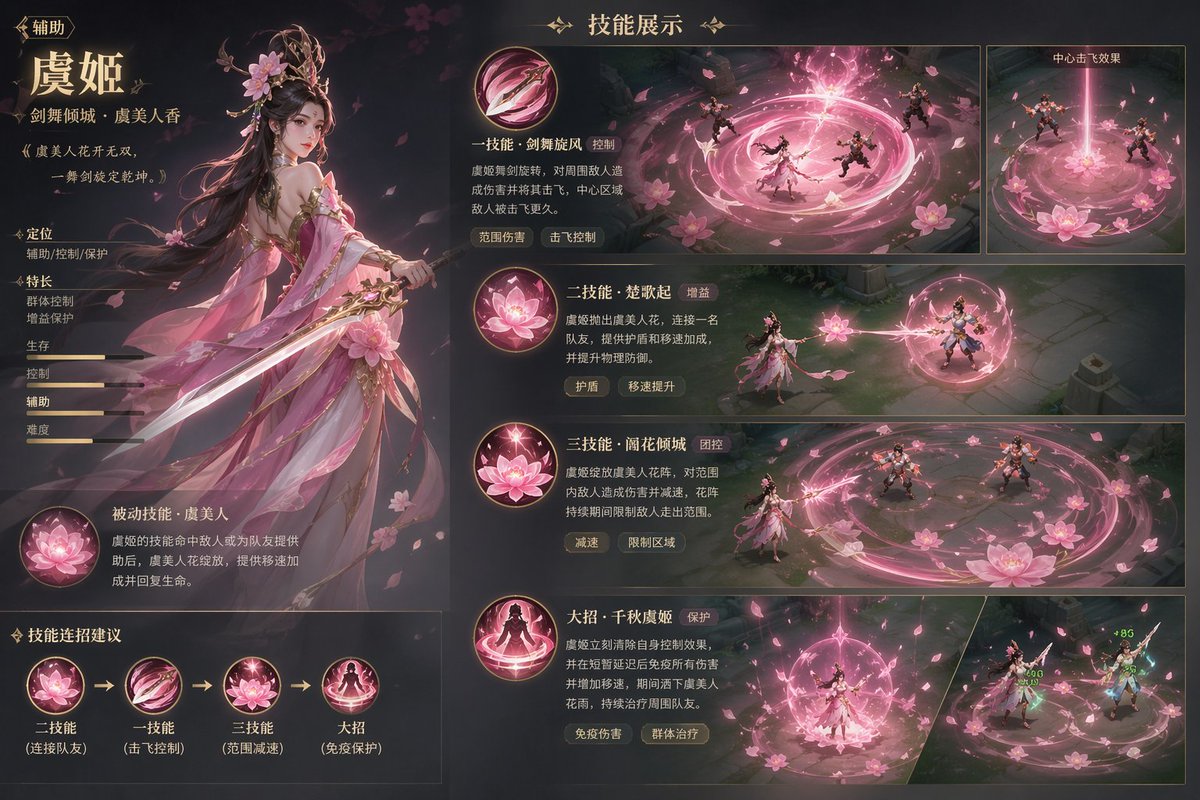
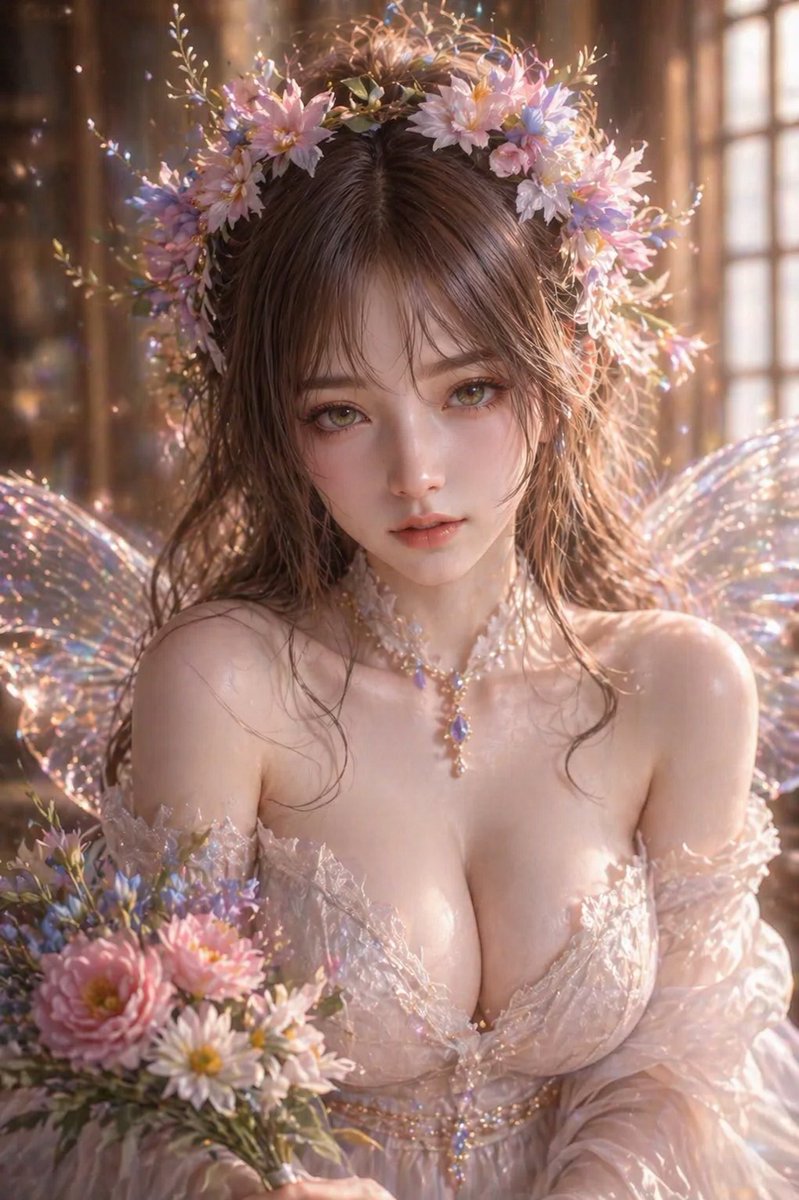
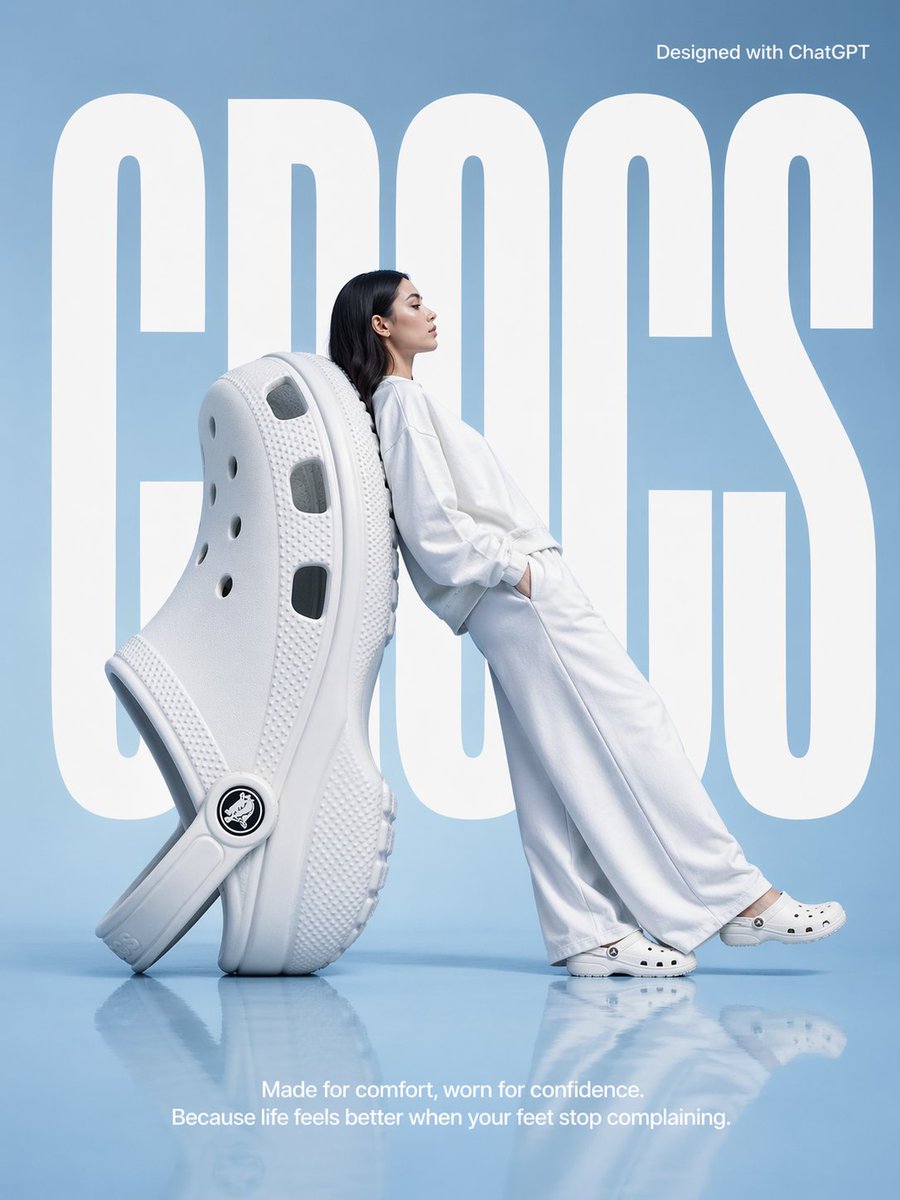
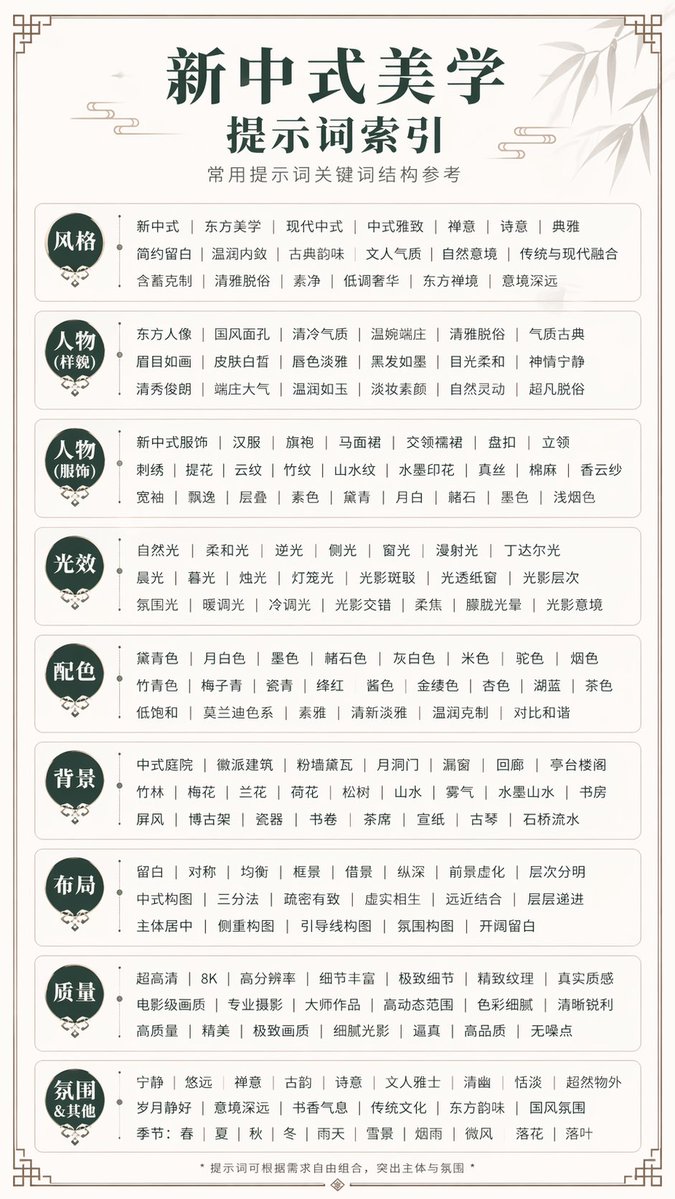

Start with decisions you can see
A written brief
Name the subject, setting, and intended use.
An optional reference
Guide appearance or composition with a reference.
A suitable frame
Protect the subject and room for text.
A focused revision
Keep successful direction; revise the weak detail.
What is the Oreate AI Image Generator?
Oreate AI offers an image workspace for turning text and visual references into stills. The generator below runs on Kling3.io with Seedream 5 Pro, giving you a focused place to test composition, light, and subject detail.
Begin with a goal: show material, introduce a character, or explain an idea. Specify subject, placement, and light to communicate the composition.
For an Oreate AI Image Generator brief, separate recognizable features from details that can change. Explain whether a reference guides shape, palette, or pose.
Inspect each candidate against the brief. Check the subject, crop, and intended publishing size. Keep successful wording so the next version develops the same idea.
Choose a written idea or a visual anchor
The right starting point depends on what you already know about the image.
Text to image
Describe a scene when no source exists. Explore compositions and visual directions before selecting a final reference.
Reference guided creation
Add a reference when shape, appearance, or composition matters. State what to retain and describe the new treatment separately.
Write an Oreate AI Image Generator prompt in seven layers
Give every layer a visible purpose.
Deliverable + subject + pose + setting + composition + light + material
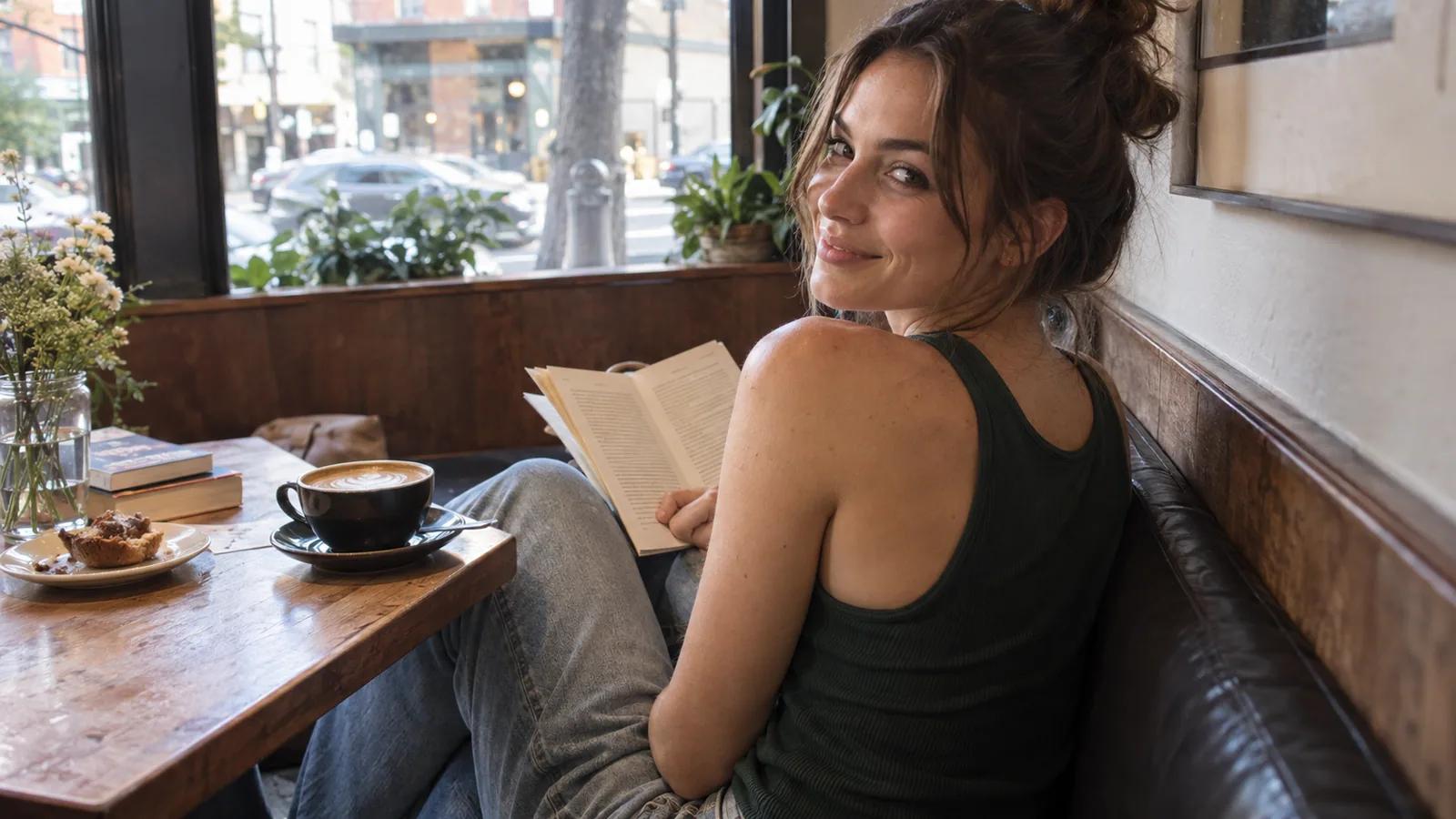
- 01
Deliverable
Name the finished asset and placement, such as a wide cover or a square product feature.
- 02
Subject
Identify the main person, object, or place, including the few traits that make it recognizable.
- 03
Pose or state
Choose a readable gesture, orientation, or moment rather than several competing actions.
- 04
Setting
Describe the background and atmosphere only as far as they help explain the subject.
- 05
Composition
State viewpoint, subject placement, shot size, and where empty space should remain.
- 06
Light and color
Choose one main lighting direction and a coordinated palette that separates important elements.
- 07
Material and detail
Name surfaces that matter, then inspect whether their texture is believable in the output.
A product material study
Translucent amber perfume bottle on pale travertine, three-quarter view, soft left window light, delicate reflections, quiet warm background, empty space on the right for a headline. Keep the silhouette simple.
Review silhouette, material, and copy space.
An editorial travel frame
Traveler in a rust-colored coat beneath a station canopy at dawn, medium-wide view, small suitcase, mist beyond the platform, cool shadows, one warm lamp. Separate the person from the background.
Review subject placement and warm-cool light balance.
Use the controls to strengthen the idea
An Oreate AI Image Generator workflow is easier to review when each choice has a clear purpose.
Reference direction
Use a clear reference and explain whether it guides shape, pose, color, or layout. Avoid contradicting that role in the written prompt.
Composition and aspect
Choose the available frame for the destination. Specify subject placement and empty space; aspect ratio alone does not protect the composition.
Material emphasis
Name specific surface cues for glass, metal, cloth, or stone. Inspect reflections and edges as well as the overall mood.
Controlled variation
Change one decision between attempts: light, background, pose, or crop. Keep other directions stable for a useful comparison.
Preview and selection
Inspect the result closely and at its intended publishing size. Download the candidate that best communicates the brief.
Plan the asset before the prompt
Give each Oreate AI Image Generator brief a destination.
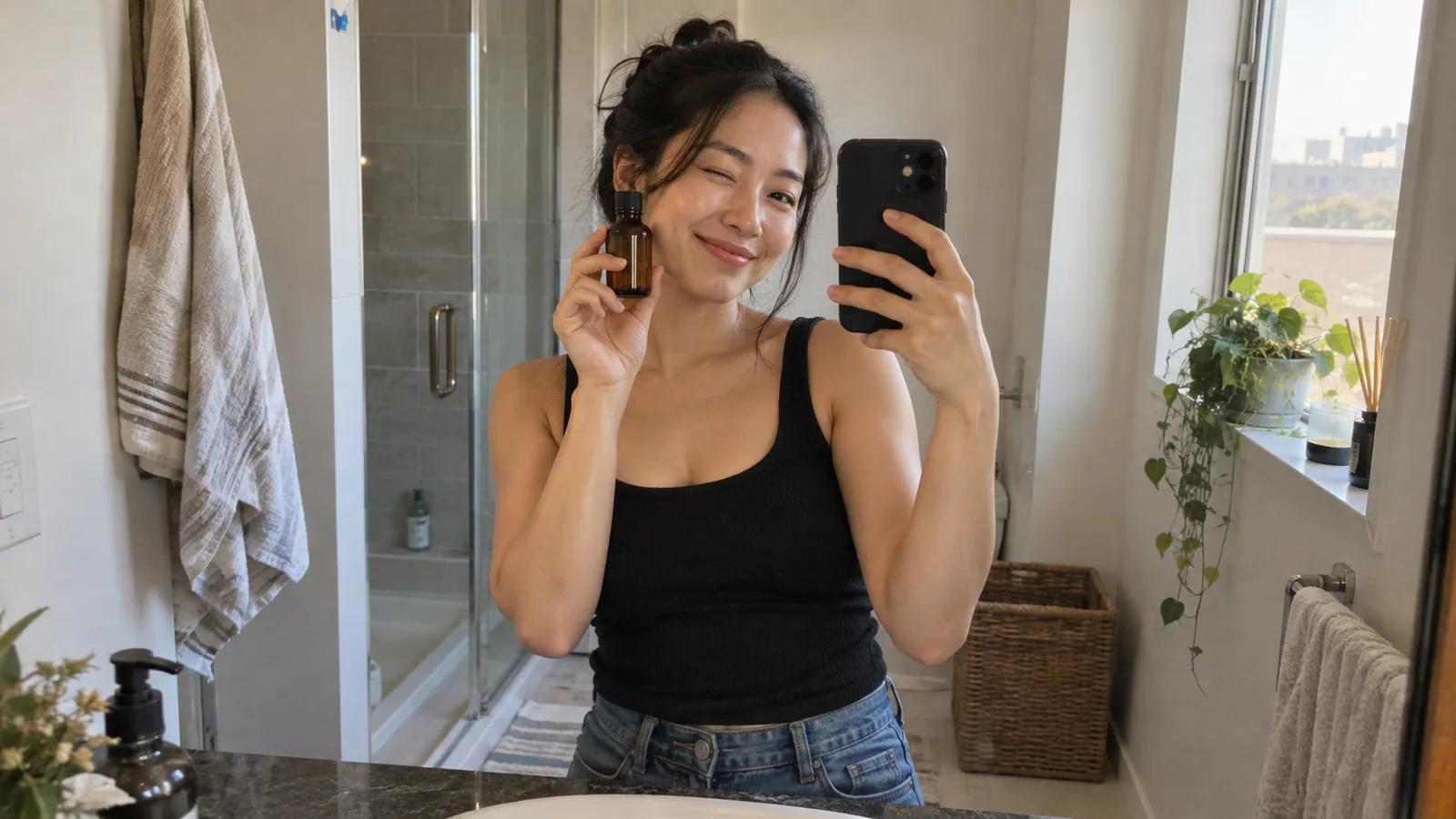
Campaign concept
Introduce one recognizable idea.
Prepare a wide key visual and a square adaptation. Keep the main subject and palette stable while adjusting space for text.
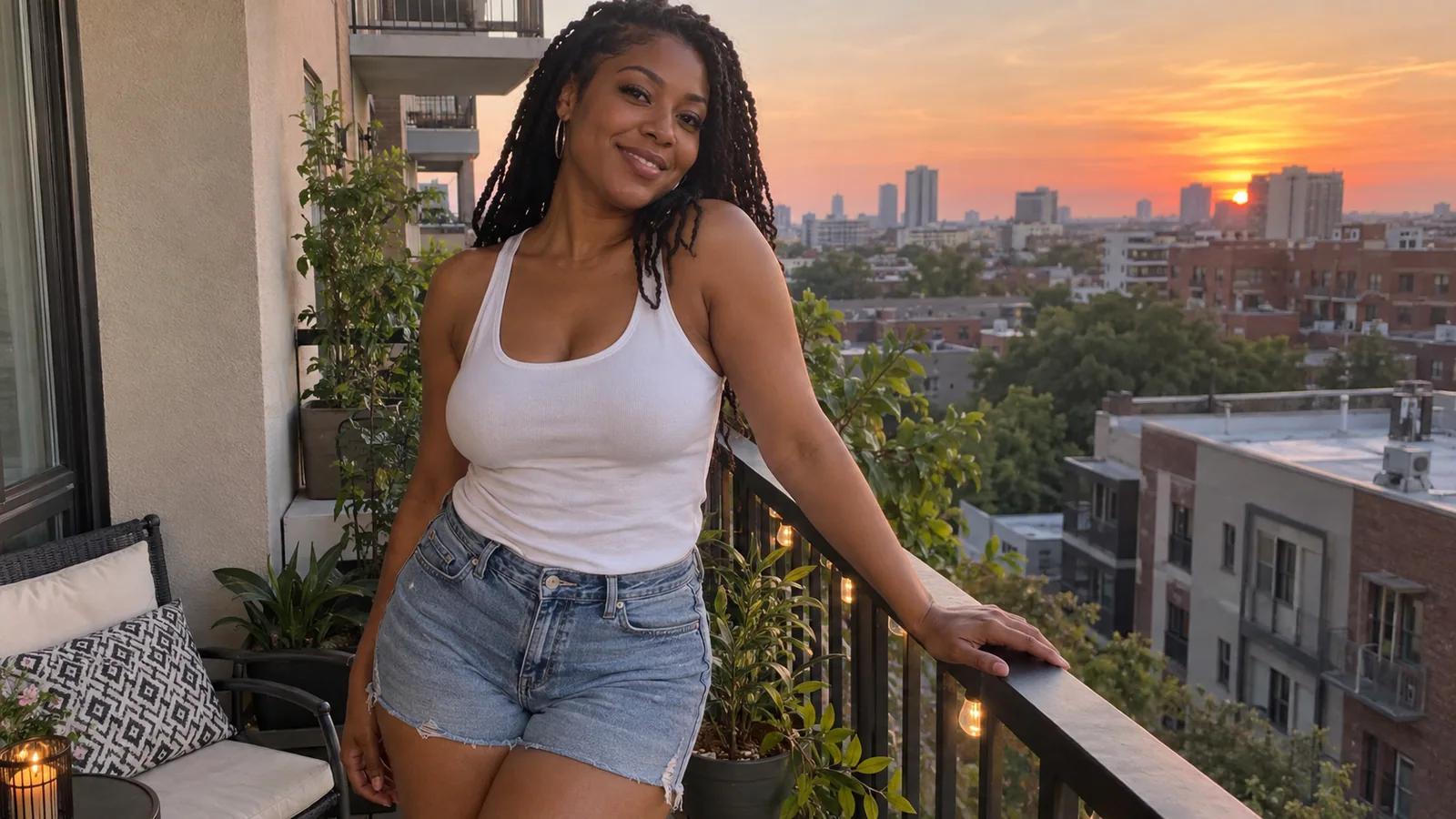
Product storytelling
Communicate a product's material or use.
Create a clean feature view and a contextual scene. Check silhouette and surface detail before adding props.
Build a brief around one strong visual
Choose one clear visual priority.
How to use the Oreate AI Image Generator workflow
Move from a publishing goal to a reviewed image in five steps.
- 1
Define the asset
Choose audience, placement, and the main visual priority.
- 2
Write the visual direction
Describe subject, composition, setting, and light.
- 3
Add a useful reference
Supply an optional visual anchor and explain its role.
- 4
Generate with available settings
Select the shown format and review requirements before submitting.
- 5
Inspect and refine
Inspect the result, revise one element, and save your choice.
Repair a weak image with a specific change
Revise an Oreate AI Image Generator brief around one visible issue.
| What you see | What to change | What to inspect |
|---|---|---|
| The subject gets lost | Simplify the background and specify stronger separation. | Check whether the focal subject reads at thumbnail size. |
| The crop feels cramped | Request a wider composition with explicit empty space. | Check edges and room for the final text placement. |
| Materials look generic | Name the surface and use a clear directional light. | Inspect edges, reflections, texture, and transparency. |
| A reference changes too much | State the essential shape or appearance to preserve. | Compare those specific features with the source. |
| The scene feels inconsistent | Remove conflicting style and lighting instructions. | Review whether all parts share the same visual treatment. |
Review before downloading your final choice
Evaluate each candidate against the brief.
- 1
Subject
The main person or object is recognizable and clearly placed.
- 2
Composition
The frame supports the intended crop and any accompanying text.
- 3
Detail
Small edges, hands, surfaces, and visible lettering have been checked.
- 4
Light
Highlights and shadows support the same scene rather than competing directions.
- 5
Consistency
Related assets share the important appearance and palette decisions.
- 6
Purpose
The image communicates the message at its actual publishing size.
Oreate AI Image Generator FAQ
Practical creation and review answers.
It describes image creation from written prompts and visual references within a multi-model platform. The goal is a still visual that can be reviewed and refined.
Use one when an existing appearance, shape, palette, or composition matters. Explain its role so the new scene has a clear direction.
Use enough detail to make the main decisions clear. Remove repeated adjectives and conflicting instructions before adding more description.
Product concepts fit this workflow. Check shape, material, and visible details before using an image to represent a specific item.
Small lettering can be difficult to render consistently. Simplify the requested words or leave clean space for typography during final layout.
An approved still can guide an image-to-video workflow. Prepare a motion brief describing what changes while keeping the starting appearance useful.
Create a frame with a clear purpose
Start your Oreate AI Image Generator brief with one subject and one visual priority.