
Cling AI Image Generator
Create purposeful campaign, product, and story images from detailed prompts and visual references.
Create with the image generator
Write a brief, add an optional reference, choose the frame, and generate a reviewable image.


Cling AI Image Generator
Turn written direction and visual references into a composed image.
Sign in to use batch and repeat generation.
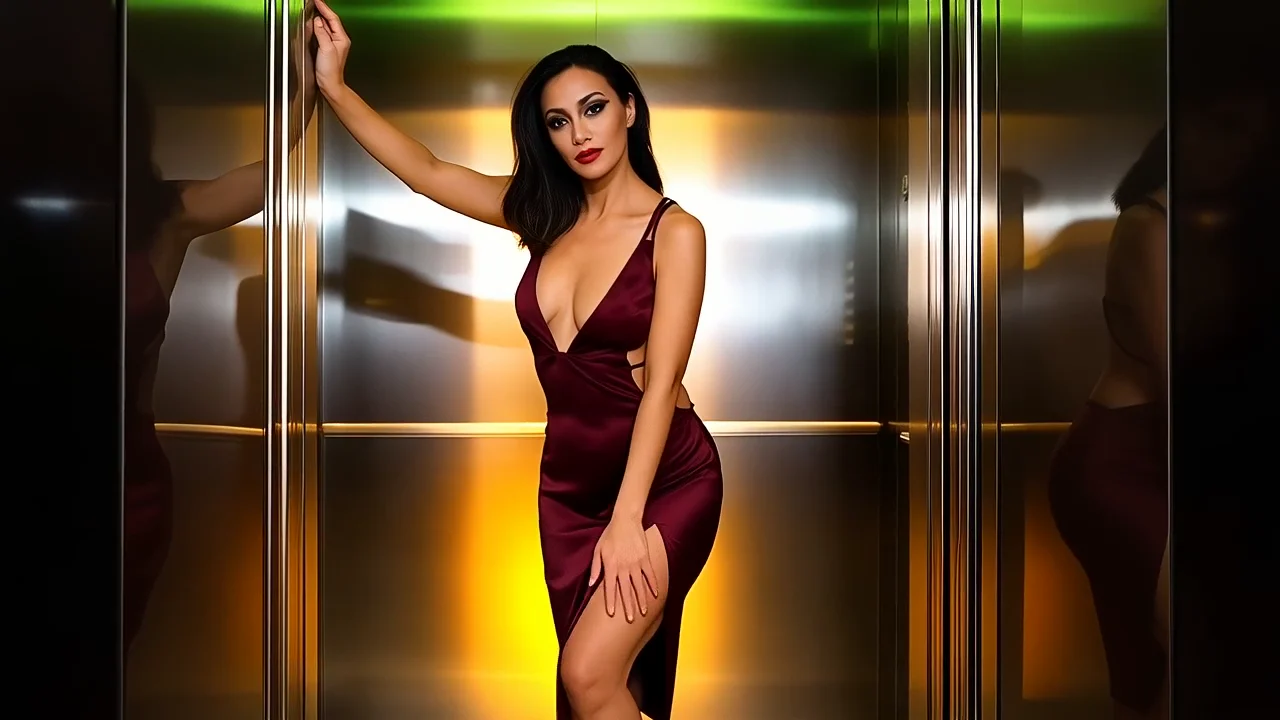
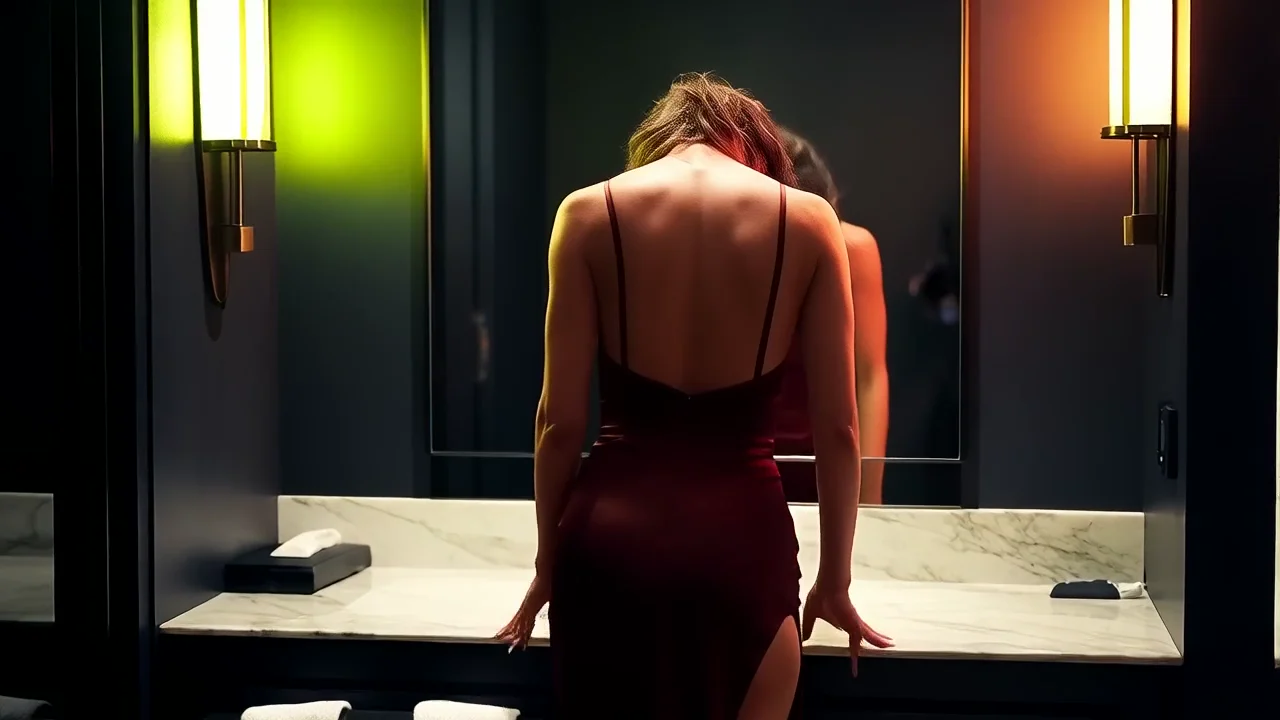
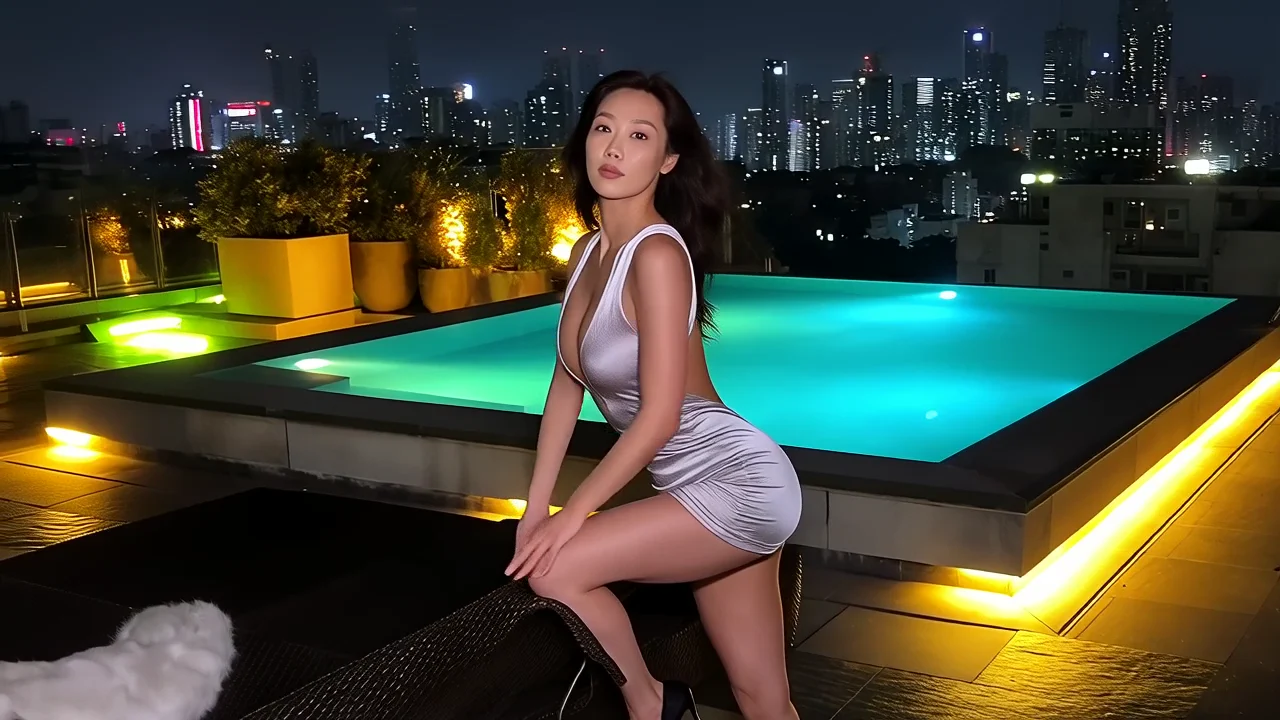
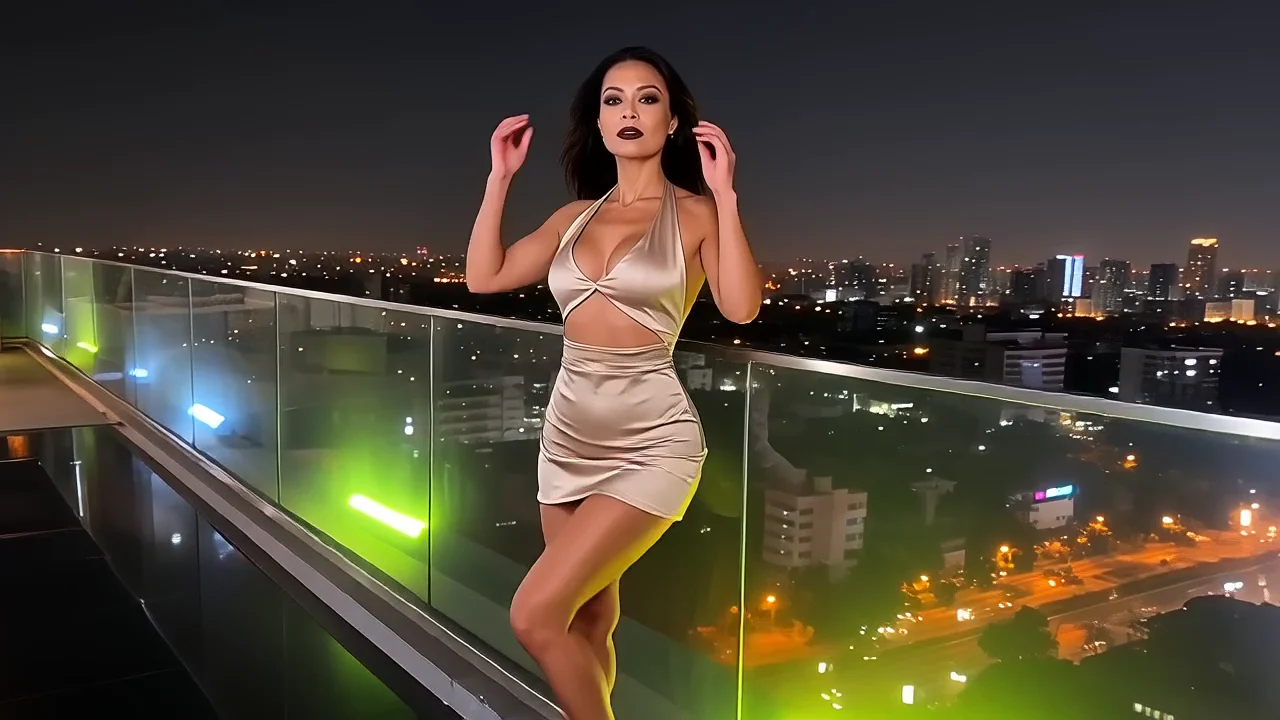
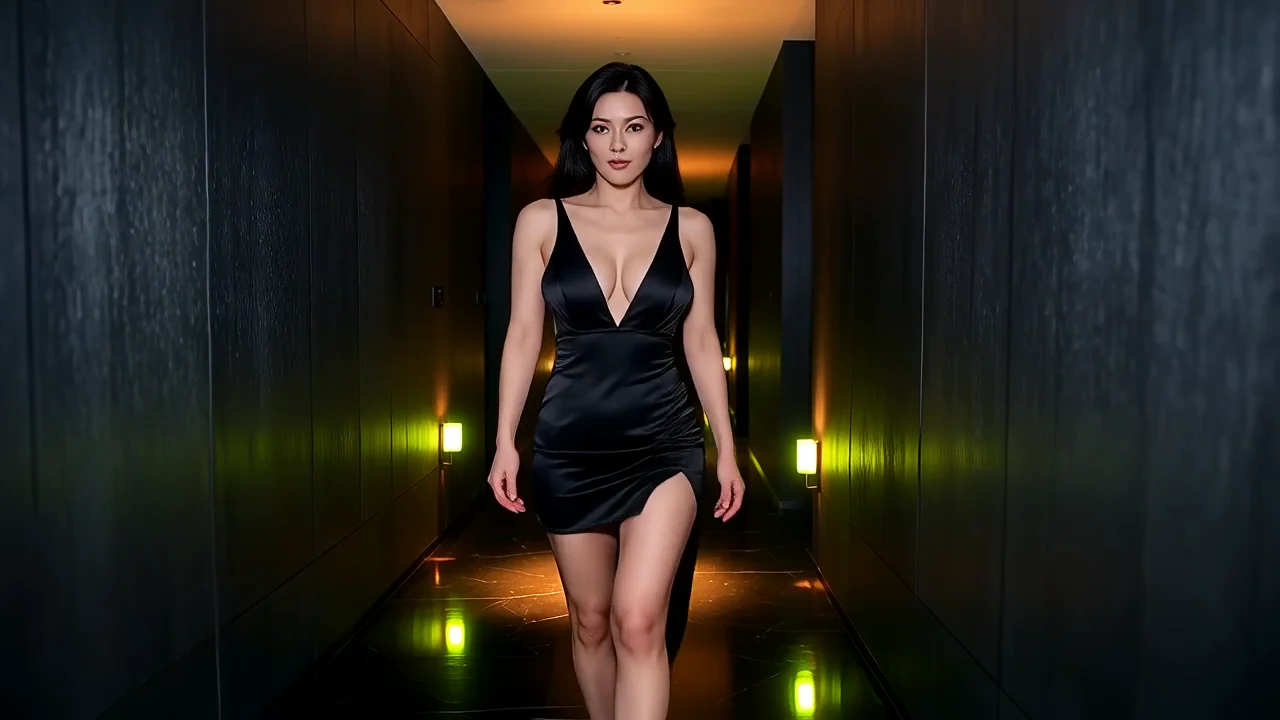
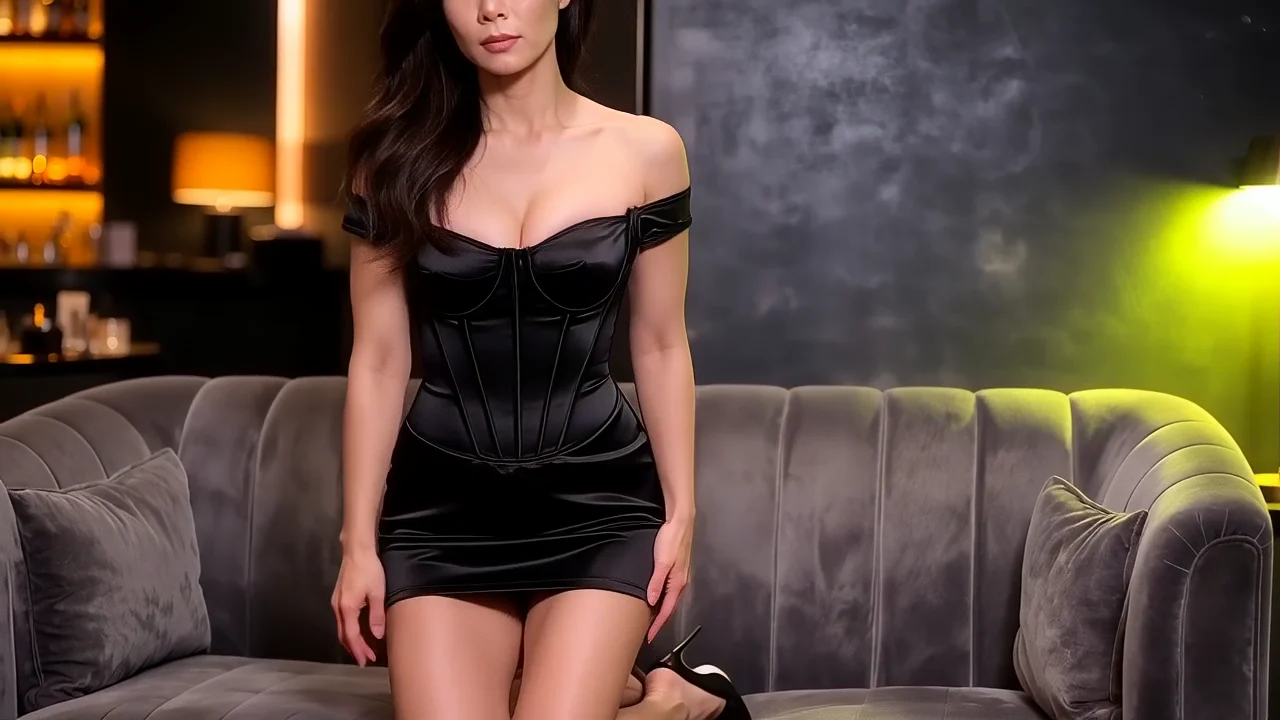
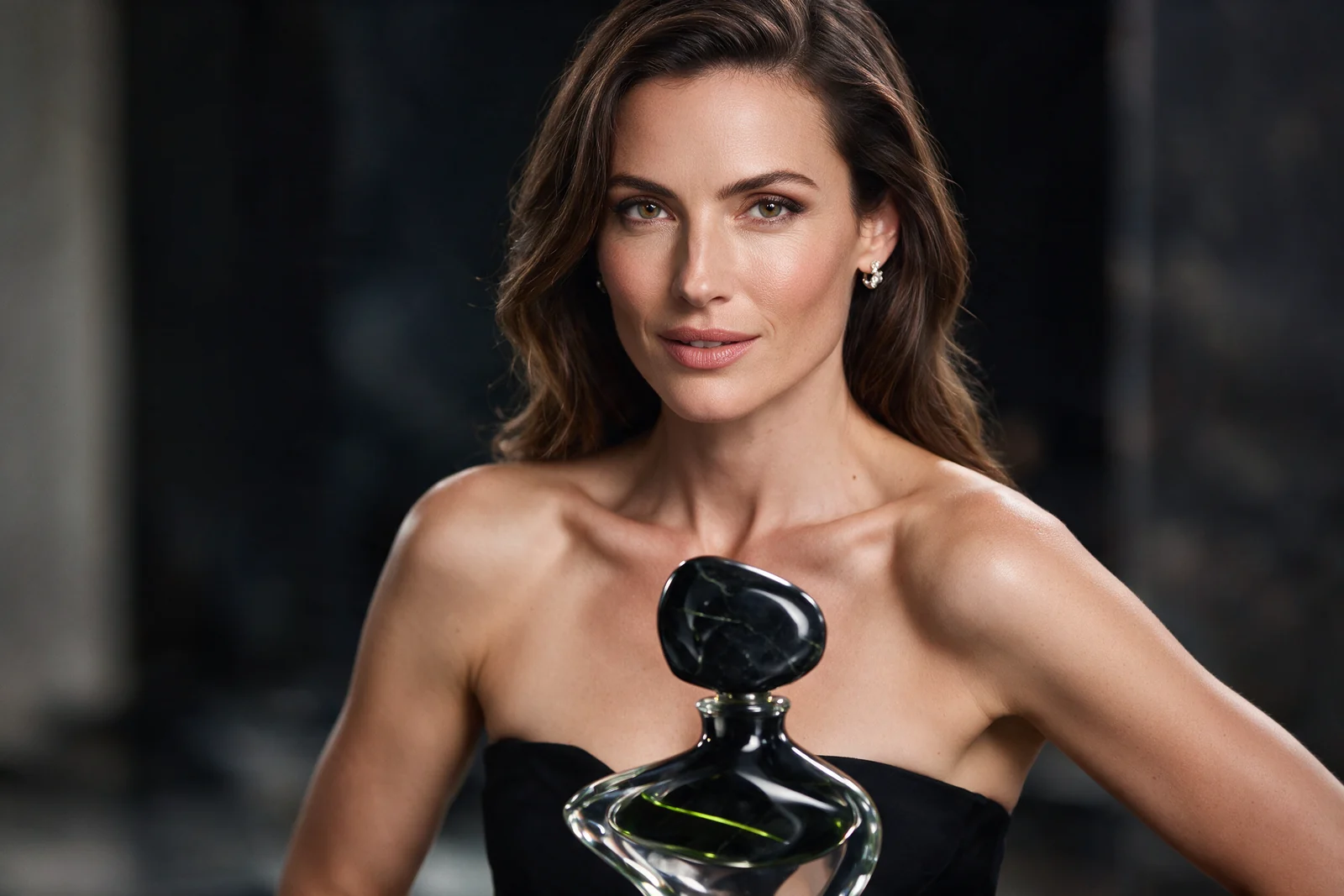
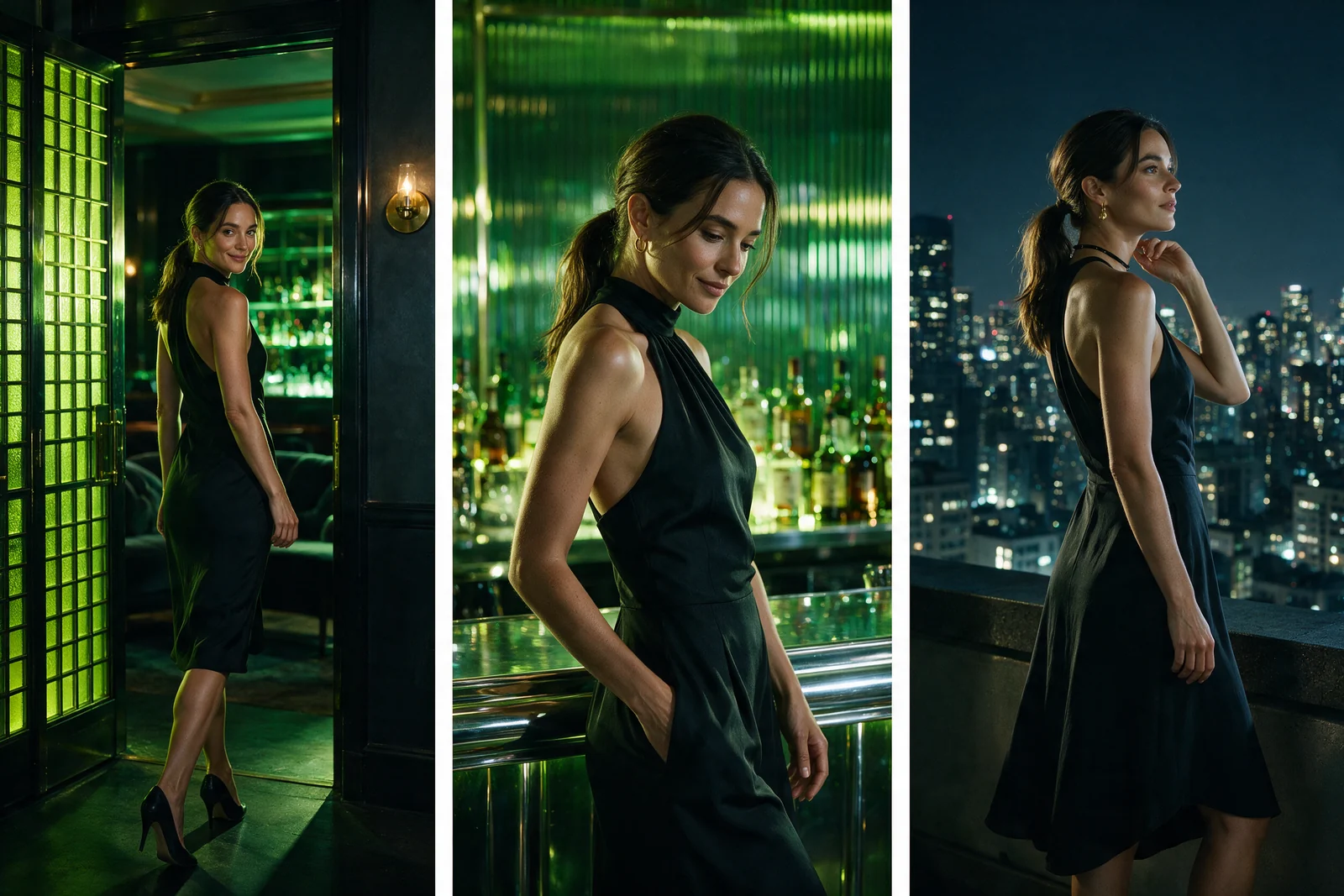
Image workflow at a glance
Text direction
Describe the subject, environment, composition, light, and message in ordinary language.
Visual reference
Anchor identity, proportion, palette, texture, or composition with an image.
Frame choice
Select an aspect that protects the subject and planned copy area.
Review and download
Compare output with the brief, refine one detail, and download the selection.
What is the Cling AI Image Generator?
The Cling AI Image Generator is a browser based workspace that creates still visuals from prompts and optional reference images.
A clear Cling AI creative brief names the subject, setting, composition, camera, light, palette, and publishing format. Each visible element should support the final frame's message.
A reference can communicate product shape, character identity, material, color, or layout. Explain its role and describe the new scene separately. When the still becomes a Cling AI video scene, reuse those visual details and specify what changes.
Generate a draft, review subject, hierarchy, format, and mood, then revise one prompt layer. Preserve successful wording across campaign, product, story, and social assets. For Kling 4.0 image-to-video, describe how this composition should move rather than redesigning the subject.
Choose text or reference guided creation
Cling AI helps select inputs that communicate essential image details clearly.
Text directed image
Use a written brief to explore subject, environment, composition, material, light, and style together.
Campaign concepts, imagined locations, editorial scenes, and new visual directions.
Reference guided image
Use a visual anchor when subject, shape, palette, texture, or composition should remain recognizable.
Product presentation, character consistency, color systems, and controlled key visual variations.
Build an image prompt in seven layers
Build Cling AI prompts from the subject outward, giving every layer a visible purpose.
Deliverable + subject + pose + environment + camera + light and palette + materials
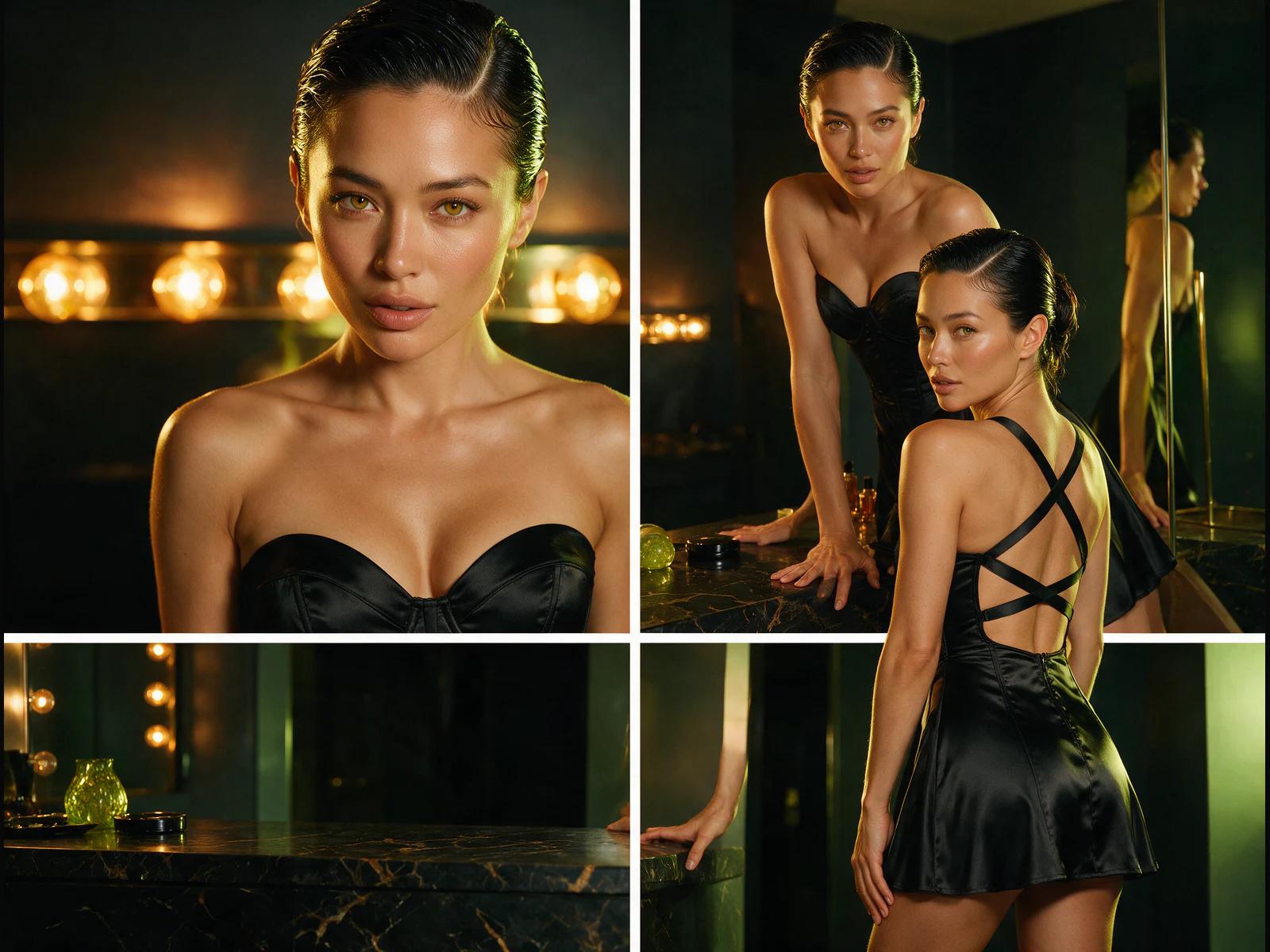
- 01
Deliverable
Name the asset and destination, such as a vertical announcement, wide hero, or square cover.
- 02
Subject
Identify the primary person, object, place, or idea and recognizable traits.
- 03
Action or pose
Describe visible state, gesture, orientation, expression, or interaction for a specific moment.
- 04
Environment
Set location, time, weather, background, and atmosphere.
- 05
Composition and camera
Direct shot size, viewpoint, focal placement, depth, and copy space.
- 06
Lighting and palette
Name light source, direction, contrast, colors, and temperature to separate the subject.
- 07
Materials and finish
Specify important textures, surface response, treatment, and details visible at publishing size.
Product campaign frame
Wide ceramic travel cup on limestone, soft left light, cream and coral palette, crisp glaze, shallow kitchen, right headline space.
Defines product recognition, surface detail, and copy space.
Narrative storyboard frame
Vertical botanist opening a fogged greenhouse at dawn, cautious expression, wet glass, cool shadows, narrow amber light.
Defines character intent, depth, and a story light cue.
Shape the frame
Cling AI controls turn a brief into a coherent frame.
Reference image direction
Upload a visual anchor and name the identity, material, palette, or layout qualities to keep.
Aspect and framing
Choose the visible aspect control, then place the subject, depth, balance, and copy space inside it.
Output quantity
Use the visible output controls to set how many versions you want to compare.
Focused refinement
Preserve successful choices while changing one weak element such as light, material, color, or background.
Preview and download
Review each result against the brief and download the selected image from the result workflow.
Three Cling AI briefs from prompt to deliverable
Each visual links a clear publishing goal to a prompt direction that can be evaluated and refined.
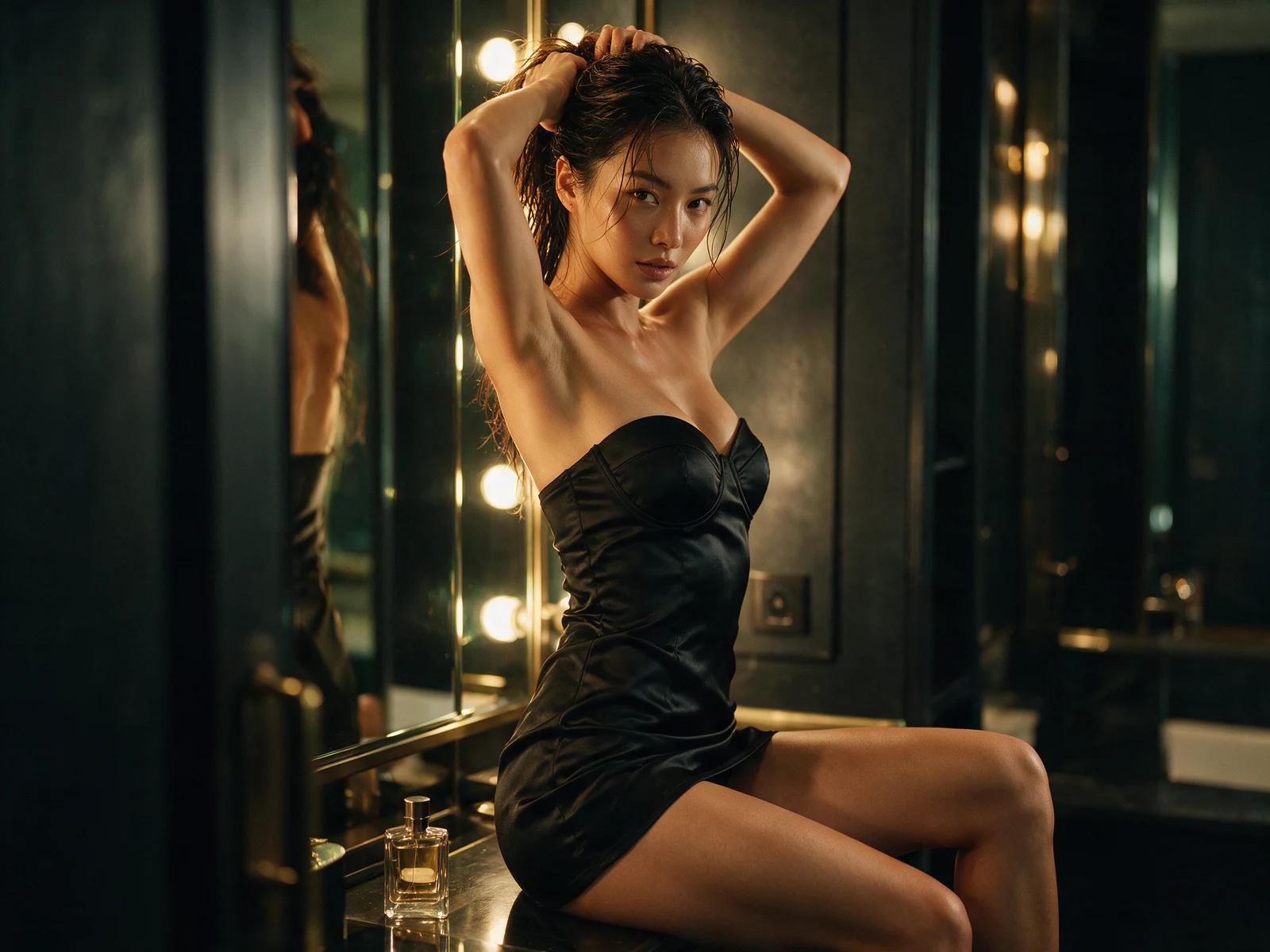
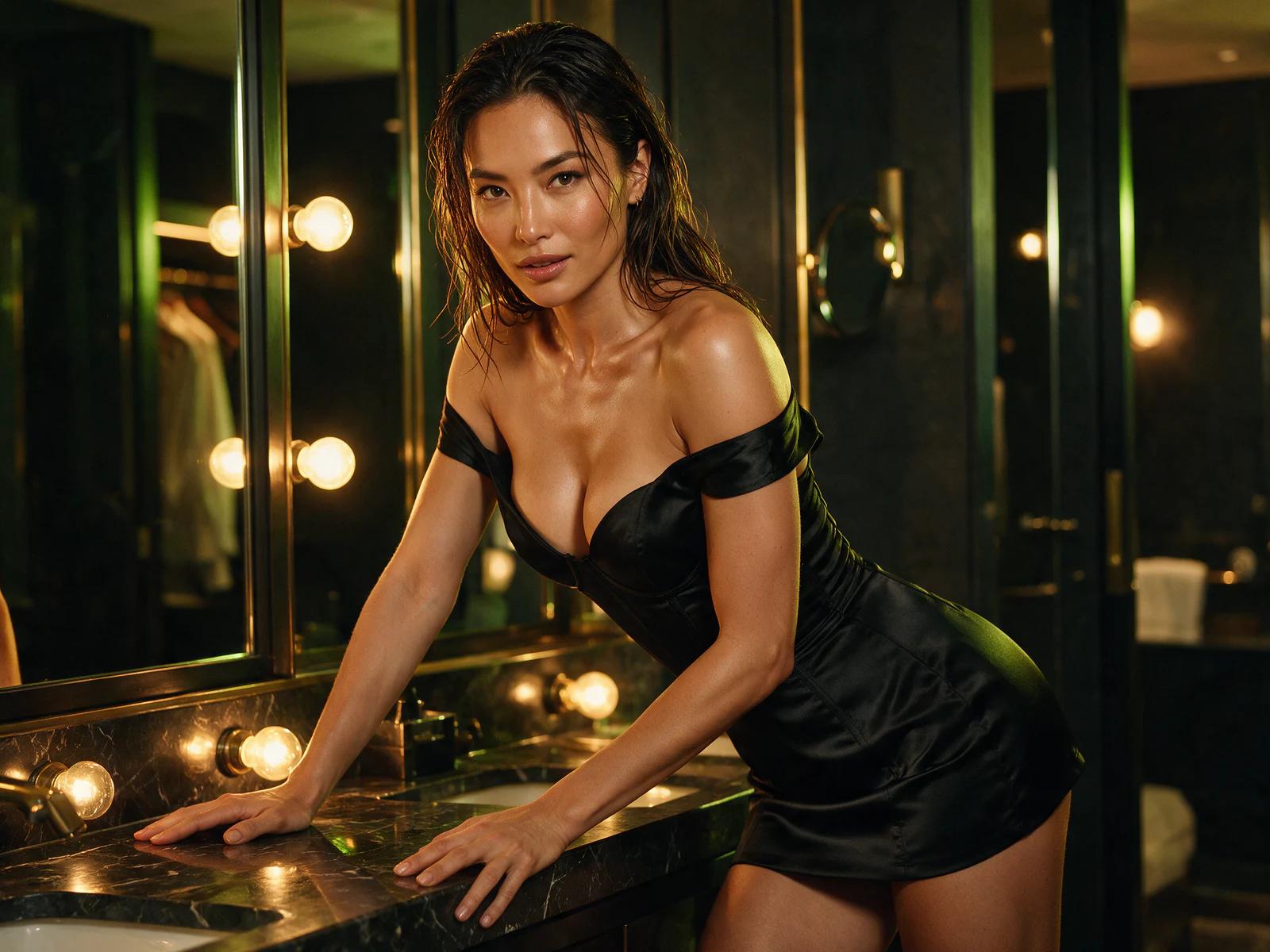
Satin vanity beauty study
Wet hair, raised arms, and black satin frame a direct vanity portrait.
Mature Asian beauty portrait, black satin dress, wet hair, raised arms, hotel vanity, amber light.
Beauty launch art for banners and social crops.
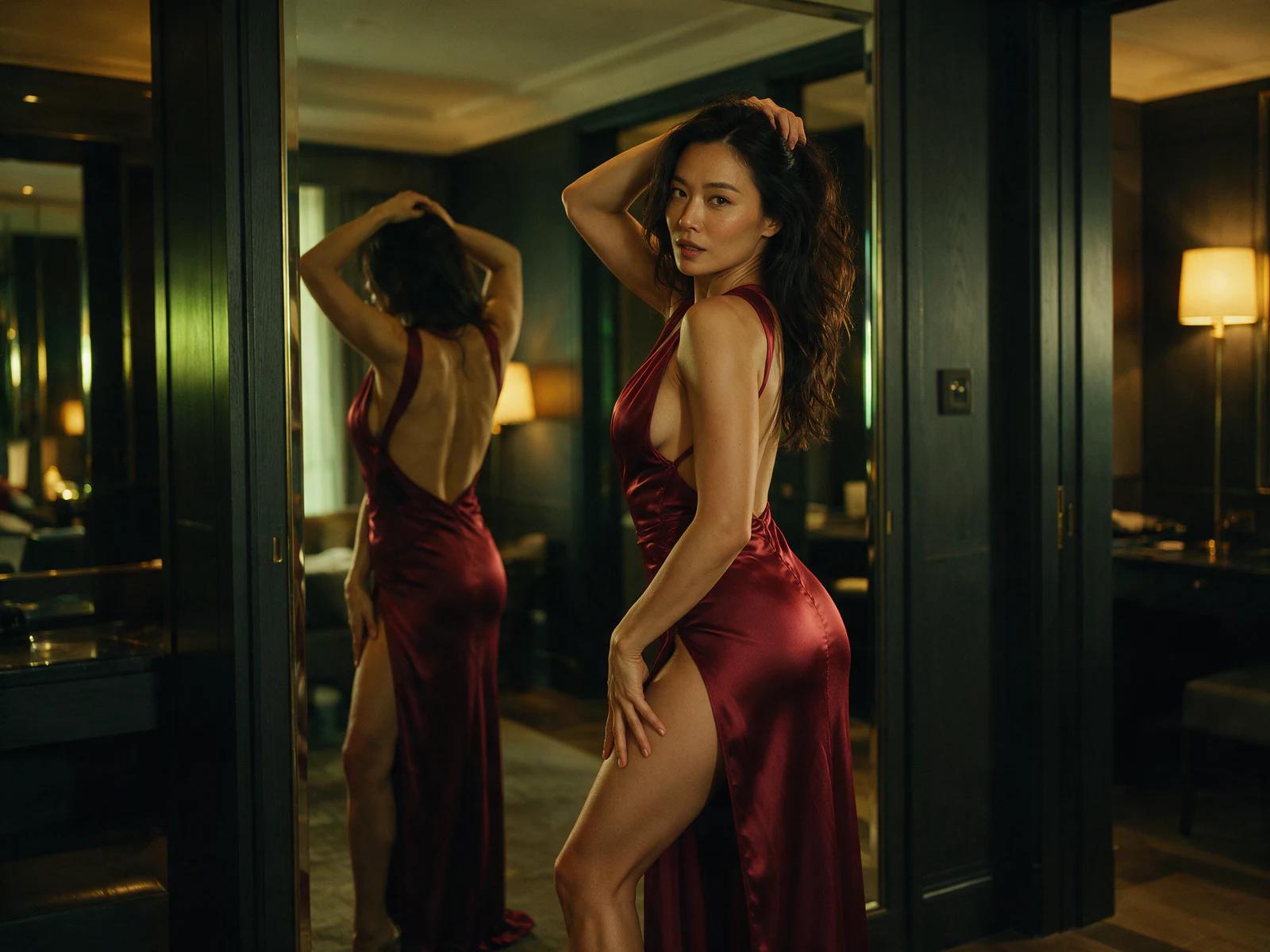
Wine dress mirror portrait
Fitted wine satin and a reflected waist turn create a strong hotel portrait.
Mature Eurasian woman, fitted wine satin dress, open back, high slit, warm hotel mirror light.
A key visual for covers, lookbooks, and nightlife campaigns.
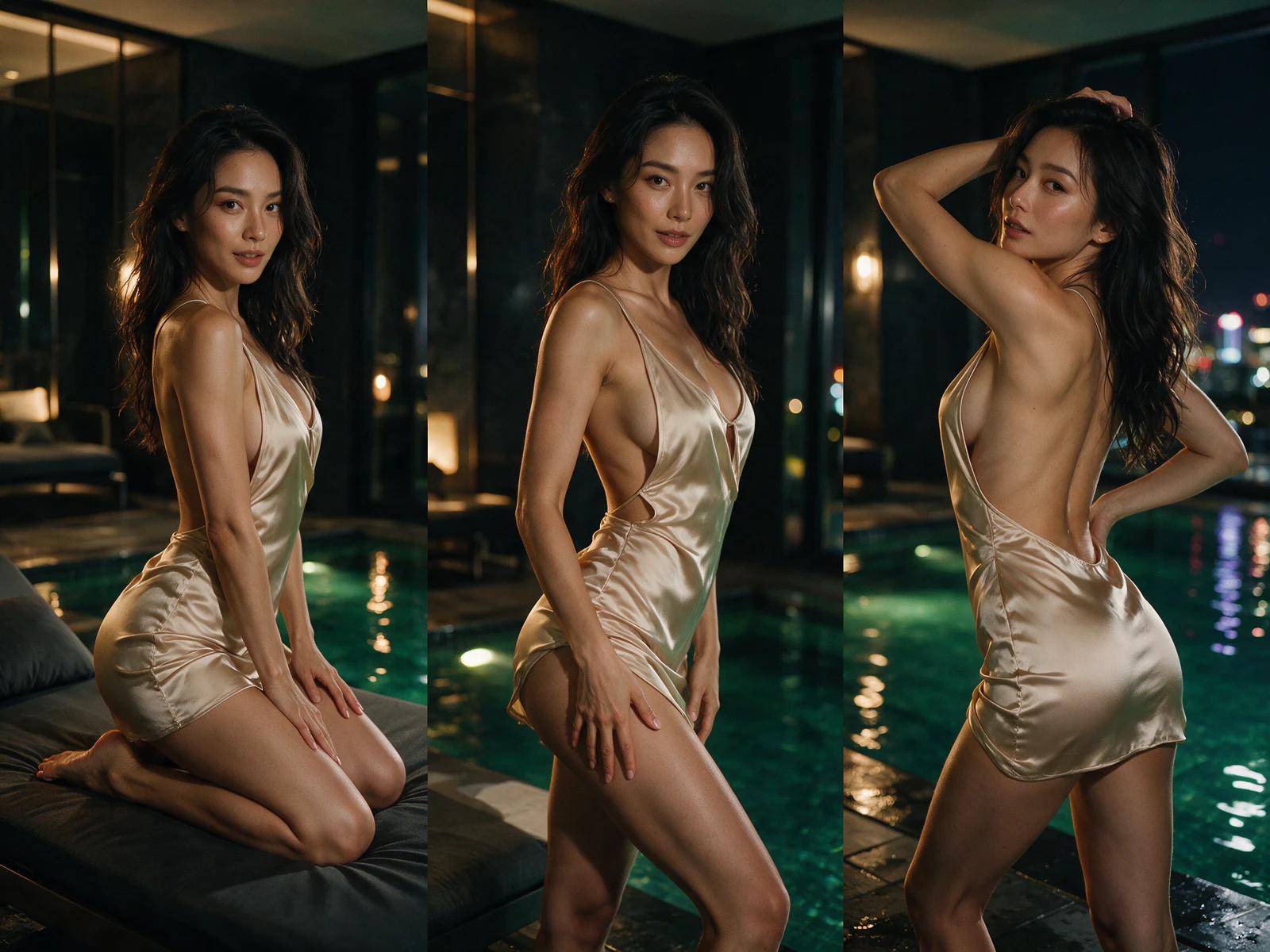
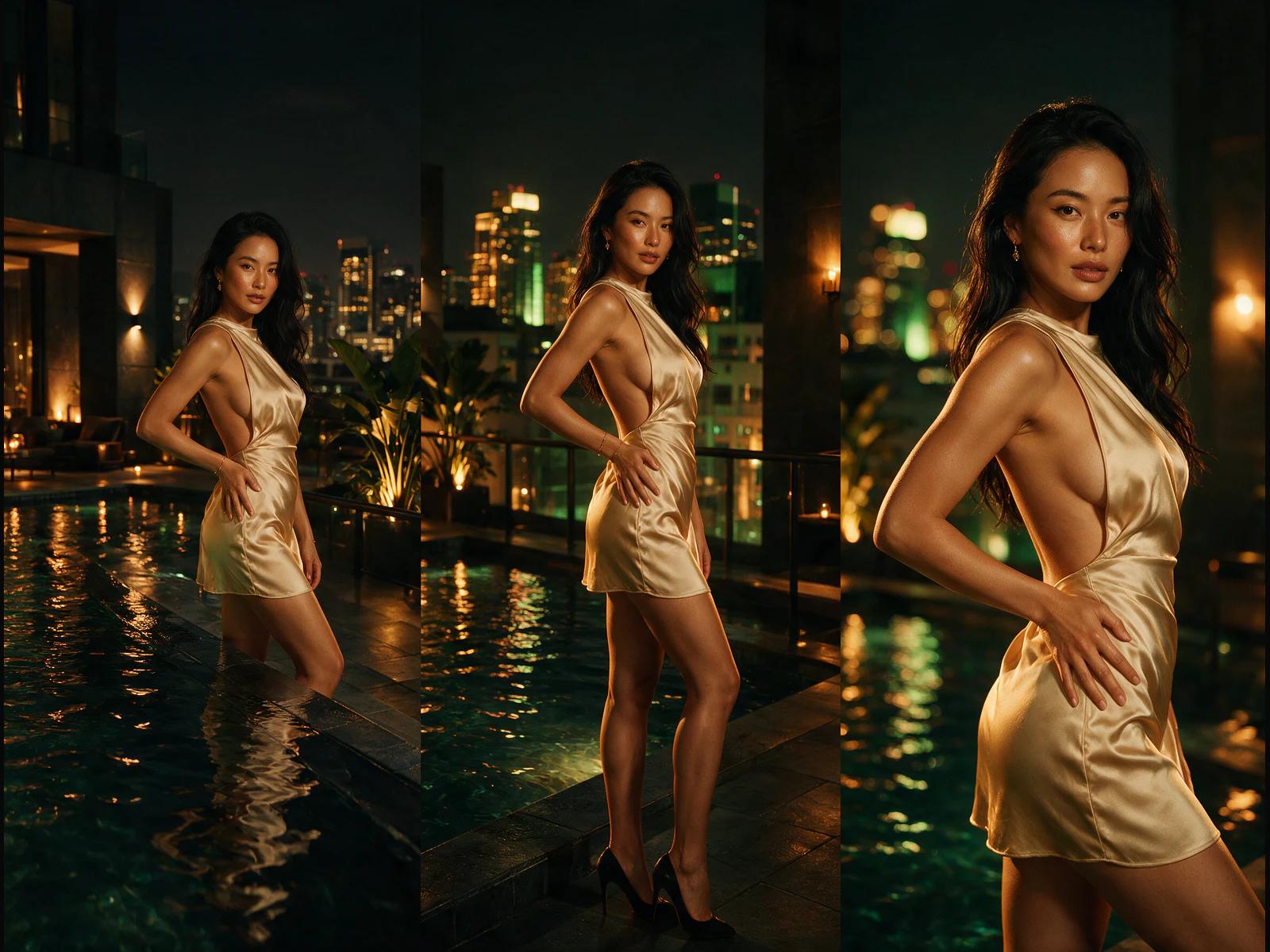
Champagne poolside sequence
Three night poolside frames progress from a kneeling pose to a standing turn.
Mature Asian woman, champagne satin dress, kneeling pose, standing turn, pool reflections, consistent identity.
A sequence for social stories, event teasers, and shot planning.
Image production scenarios
Turn each Cling AI request into a defined asset, review criterion, and focused visual direction.
Brand campaign
0101A launch needs one idea across different crops.
02Create key, square, and vertical frames sharing subject, color, and light.
03Approve composition, reserve copy space, then adapt crops.
Ecommerce merchandising
0201A product page must show construction and use.
02Create hero, lifestyle, and detail views with consistent surfaces.
03State scale, camera, light, material, and visible feature.
Narrative planning
0301A storyboard needs moments testing character, location, and tone.
02Create establishing, close, and decision frames.
03Keep character and palette stable while changing viewpoint and expression.
Social publishing
0401Small visuals need overlay space.
02Create square and vertical frames with clear subjects.
03Protect crops and review at mobile size.
Write the frame you need
Direct the subject, composition, and details that strengthen the message.
How to create an image with Cling AI
Define, direct, frame, generate, and refine the image.
- 1
Define the deliverable
Choose destination, aspect, audience, subject, message, and first visual priority.
- 2
Build the seven prompt layers
Add subject, pose, environment, camera, light, palette, materials, and finish.
- 3
Choose the frame and reference
Select the aspect and add useful identity, color, texture, or layout information.
- 4
Generate and review
Check subject, hierarchy, crops, materials, light, and mood.
- 5
Refine one decision
Preserve successful language and change the layer causing the largest mismatch.
Repair common image problems
Diagnose each Cling AI symptom, revise its prompt layer, and judge improvement.
| Problem | Change | Target result |
|---|---|---|
| The subject gets lost. | Reduce background detail and increase separation through light, color, scale, or depth. | The subject reads first while supporting elements provide context. |
| The composition feels generic. | Specify shot, camera, placement, depth, and negative space. | The frame gains clear hierarchy. |
| Materials look unclear. | Name material, finish, light direction, reflection, and texture behavior. | Important surfaces become distinct and physically coherent. |
| The reference overwhelms the idea. | State its role, then direct the new scene separately. | The anchor remains and the new direction appears. |
| The image misses its destination. | Name aspect, copy space, detail scale, and crop zones. | The asset reads clearly in context. |
Image prompt preflight
Confirm six Cling AI choices before generation for a fast, concrete first review.
- 1
Asset and aspect
Name destination, frame, copy space, and crop safe area.
- 2
Primary subject
Make the main person, object, or idea specific and recognizable.
- 3
Visible moment
Define a precise pose, action, expression, or product state.
- 4
Composition
Set shot size, camera, focal placement, depth, balance, and negative space.
- 5
Light and materials
Connect light, contrast, palette, texture, and surface response.
- 6
Review question
Prepare one measurable question about hierarchy, format, or clarity.
Cling AI image questions
Answers for input, prompts, formats, and revision.
Write a prompt, add a reference if useful, choose the frame, generate, and refine the main mismatch.
Name the deliverable, subject, environment, composition, camera, light, palette, and essential materials.
Add one when identity, shape, color, texture, or composition is easier to show than describe.
Match the final placement, focal position, copy space, and expected crop.
Reduce competing details and direct scale, position, light, contrast, and depth.
Name each material, finish, texture, and response to the scene light.
Yes. Preserve subject, palette, light, and materials while adapting aspect and copy space.
Revise the prompt layer behind the largest mismatch and preserve successful wording.
Yes. Carry its subject, environment, palette, and composition into the opening frame, then direct motion.
Build an image that answers the brief
Direct the frame and refine the strongest result once.