
Creen AI
Creen AI: Explore image, video, and audio creation, then turn your next idea into a composed still or a focused moving scene.
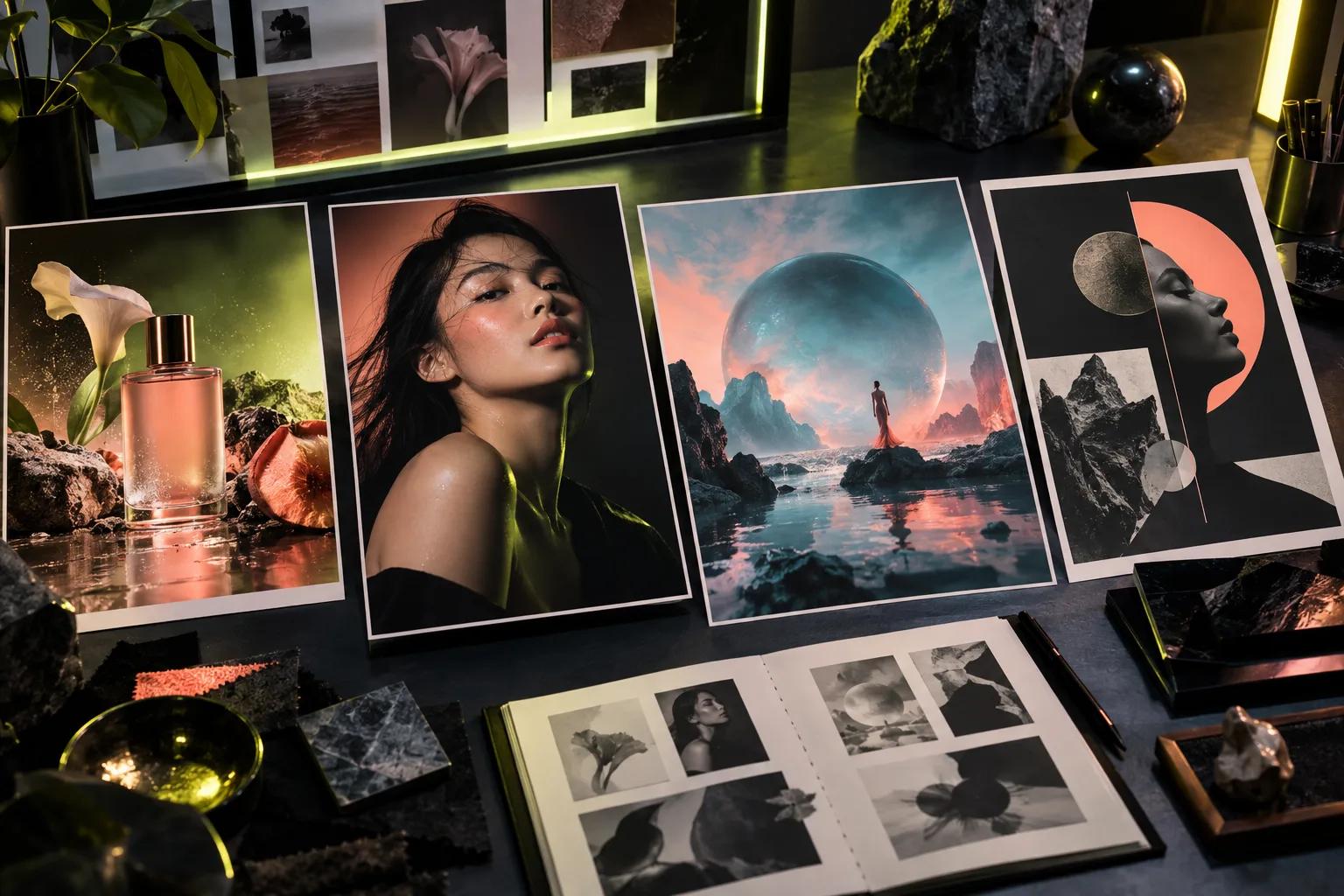
Creen AI: A creative platform with several starting points
Images from ideas
Text descriptions and visual references offer different ways to communicate a composition, subject, or style.
Video from a scene
Start with words when exploring a new moment, or a still image when the opening appearance already matters.
Audio as a separate decision
Plan speech, atmosphere, and music as one production layer; align sound choices with the scene and final edit.
Choose your next creation
Creen AI: Start with the output you need today. Each path includes prompt examples and a review process.
Creen AI Image Generator
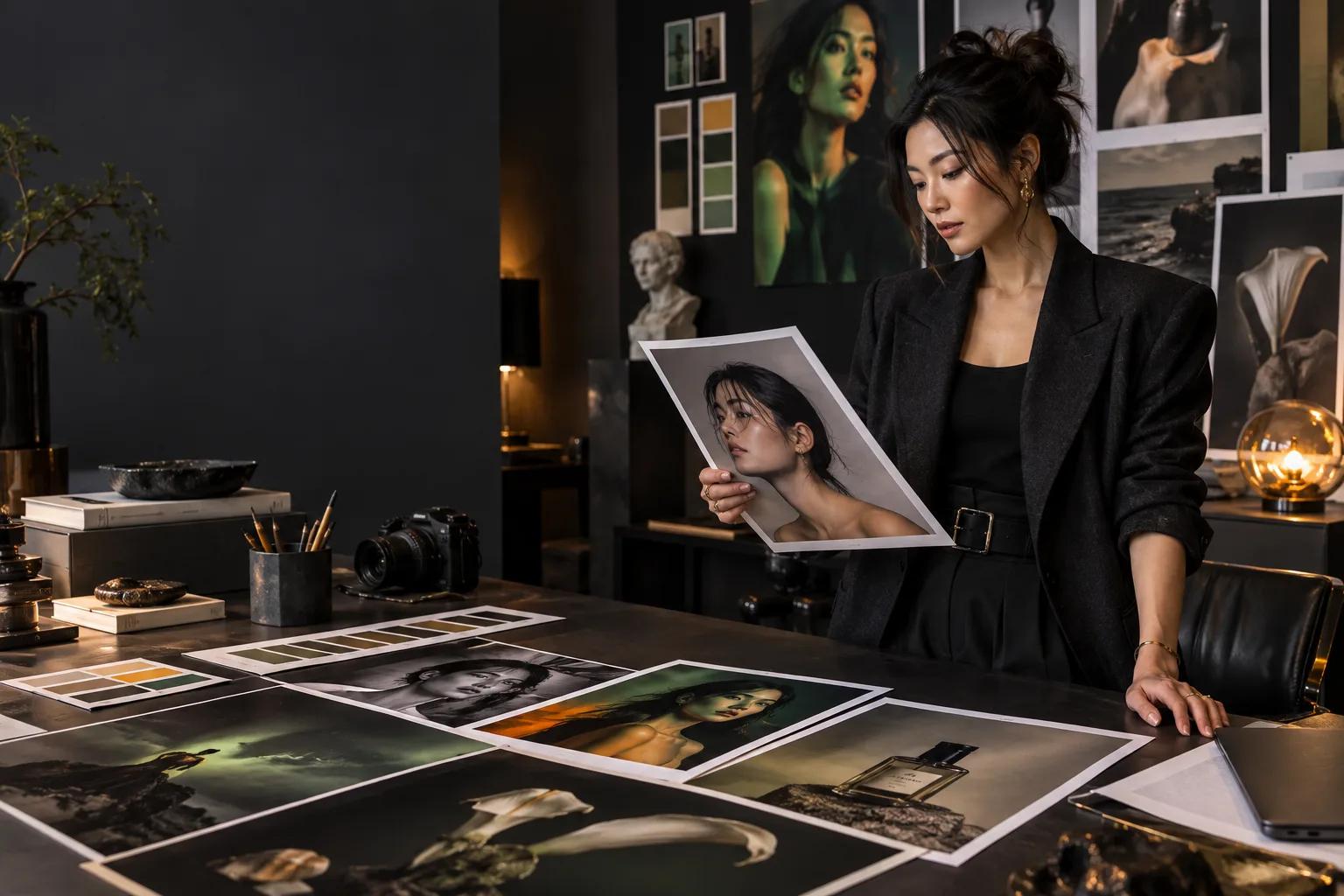
Develop a still visual with a clear subject, useful crop, lighting direction, and optional reference. Explore image briefs for products, editorial ideas, and story planning.
Explore image creation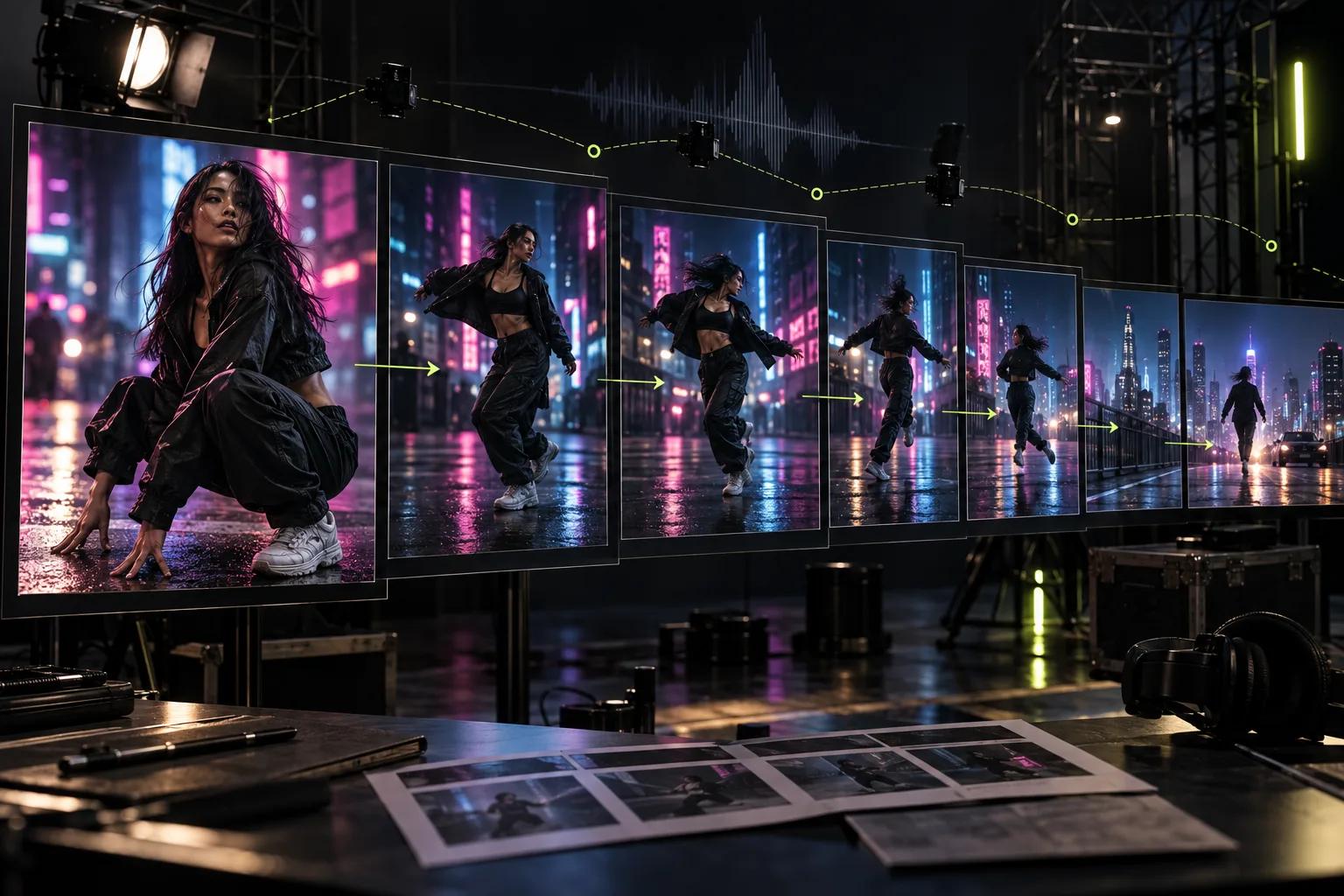
Creen AI Video Generator
Plan one scene with a readable action and a deliberate camera move. Compare text and image starting points before creating a short visual sequence.
Explore video creationWhat is Creen AI?
Creen AI is a creative platform that brings multiple image and video models together. Its public tools cover making images from text or references and making video from descriptions or still images.
Creen AI: A platform organizes access and creative tasks; a model produces the output. Different engines can interpret the same direction differently. Compare composition, light, and movement against the same brief to decide which result suits the project.
For someone researching Creen AI, start with the deliverable. A product listing needs a readable still; a launch teaser needs movement; a spoken introduction needs an audio plan. Establish that destination before comparing styles or output settings.
Follow the image path for composition and reference direction, or the video path for action, camera movement, and timing. Keep the brief focused so you can identify which change improves the next version.
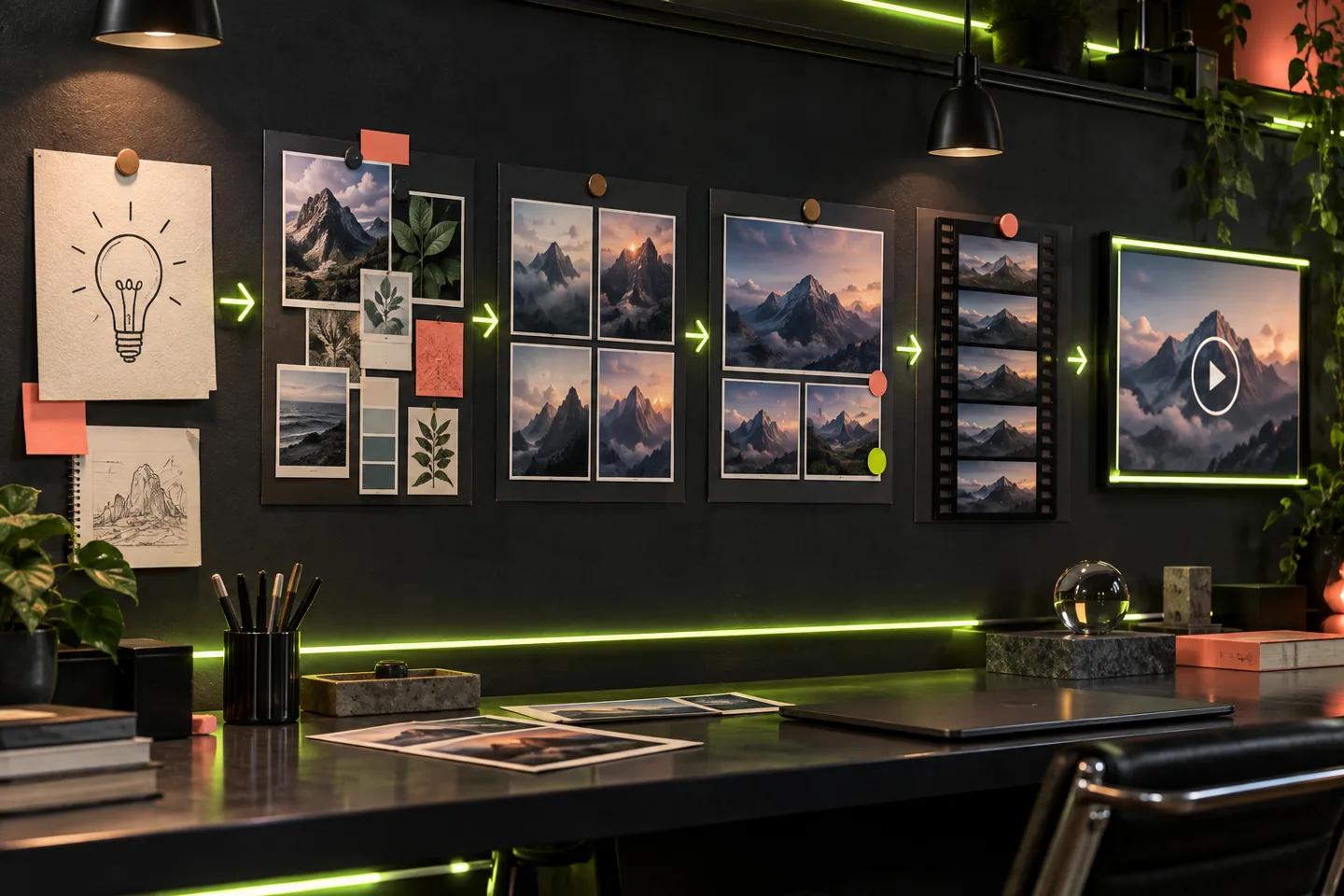
Build a project in six deliberate steps
Use Creen AI research to clarify your process, then make one creative decision at a time.
- 1
Prompt
Describe the subject, setting, and purpose. Keep the visual priority near the beginning so the brief gives the project a clear starting point.
- 2
Choose Direction
Choose image or video creation and decide whether a reference helps. Select the visible settings that suit the planned format and creative direction.
- 3
Generate
Review the requirements shown for the request, then create a first candidate. Keep the brief available so you can compare the result with the intended subject and composition.
- 4
Refine
Inspect the candidate and adjust one weak element. Preserve successful appearance, palette, and framing so each revision develops the project in a controlled direction.
- 5
Animate
When the project needs motion, use an approved still as the opening reference and describe one action with a camera direction. Review the clip's continuity and ending.
- 6
Export
Download the selected assets, check them at the intended publishing size, and organize the final files with their brief. Combine selected clips and audio as the edit requires.
What to evaluate in a creative platform
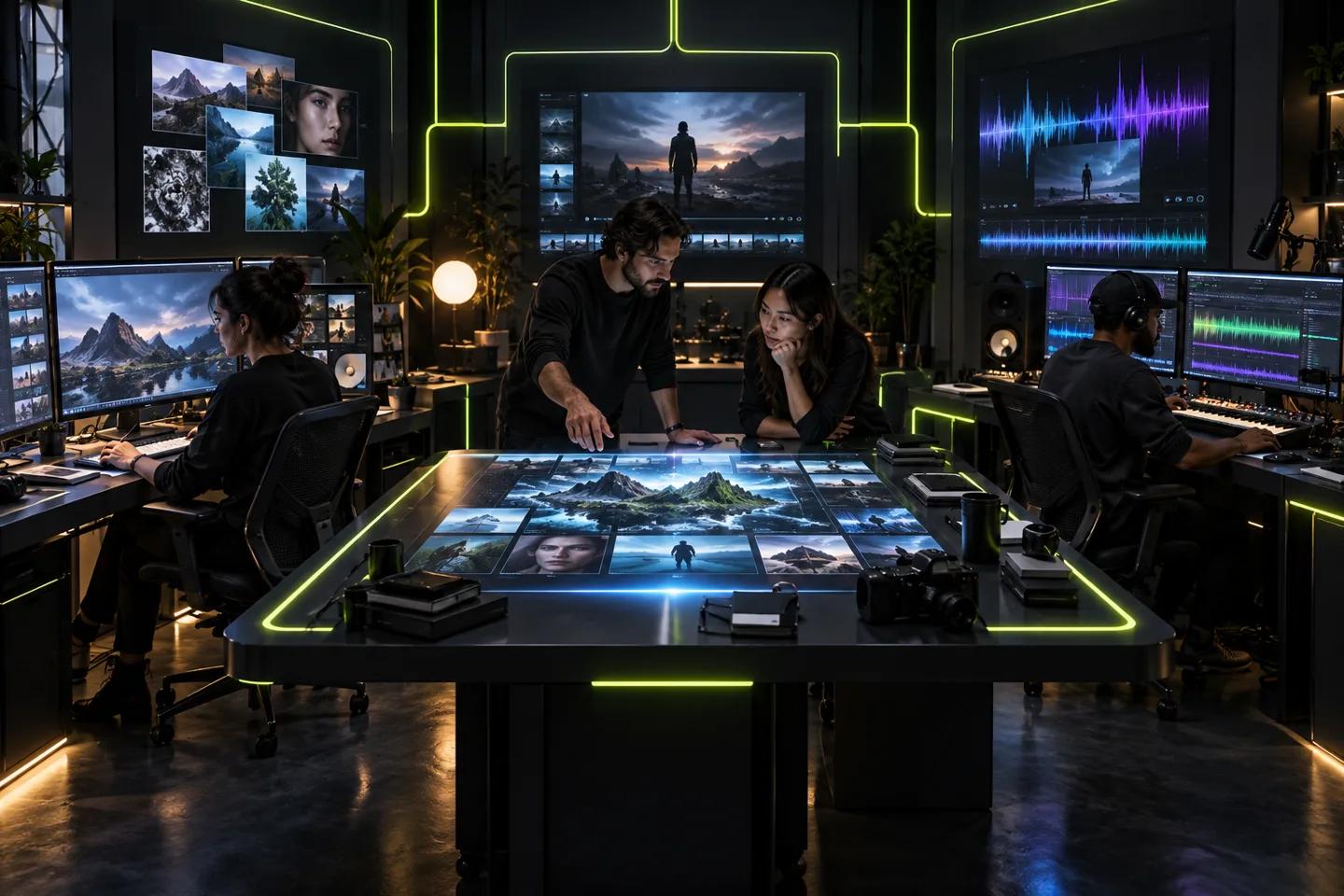
Creen AI brings several kinds of creation together. These criteria help connect that breadth to everyday work.
Text driven exploration
A written description is useful when no source image exists. Describe a concrete subject and setting, then adjust the composition before investing in small decorative details.
Reference guided direction
An image can communicate appearance more efficiently than a long description. State which qualities matter and which should change, especially when combining product references with a new environment.
Movement planning
A video brief needs an event. Choose a visible action and decide whether the camera observes, approaches, follows, or reveals it. Keep movement readable within the selected clip.
Style exploration
Compare visual treatments against the intended audience and placement. A painterly concept, realistic product scene, and graphic social image solve different jobs even when they share a subject.
Audio aware production
Choose dialogue, ambient sound, or music for the scene. Review the audio controls in the selected workflow, and use a separate audio pass to refine timing and clarity.
Iteration and selection
Treat generation as a source of candidates. Keep the version that communicates best, document the useful decisions, and reserve final checks for the actual size and context of publication.
Images, video, or audio: choose by the job
Creen AI spans several creative tasks. Match the input and review criteria to the asset, instead of treating every generation as the same process.
| Image | Video | Audio | |
|---|---|---|---|
| Starting material | A written visual brief or reference image. | A scene description or a prepared opening frame. | A script, voice direction, or a sound brief. |
| Main creative decision | What should the viewer notice first? | What changes during the shot? | What should the listener understand or feel? |
| Useful review | Inspect subject, composition, texture, and copy space. | Watch motion, identity, continuity, and the ending. | Listen for pronunciation, pace, pauses, and balance. |
| Next production step | Refine the strongest frame for its intended placement. | Select a usable clip and arrange it in the edit. | Check timing against the picture before combining tracks. |
Four projects with different success criteria
Creen AI workflows become easier to evaluate when the deliverable and review target are explicit.

Campaign
Introduce one object with a recognizable silhouette and a consistent visual mood.
Prepare a key image followed by a simple moving reveal. Approve shape and material first, then add restrained movement around the product.
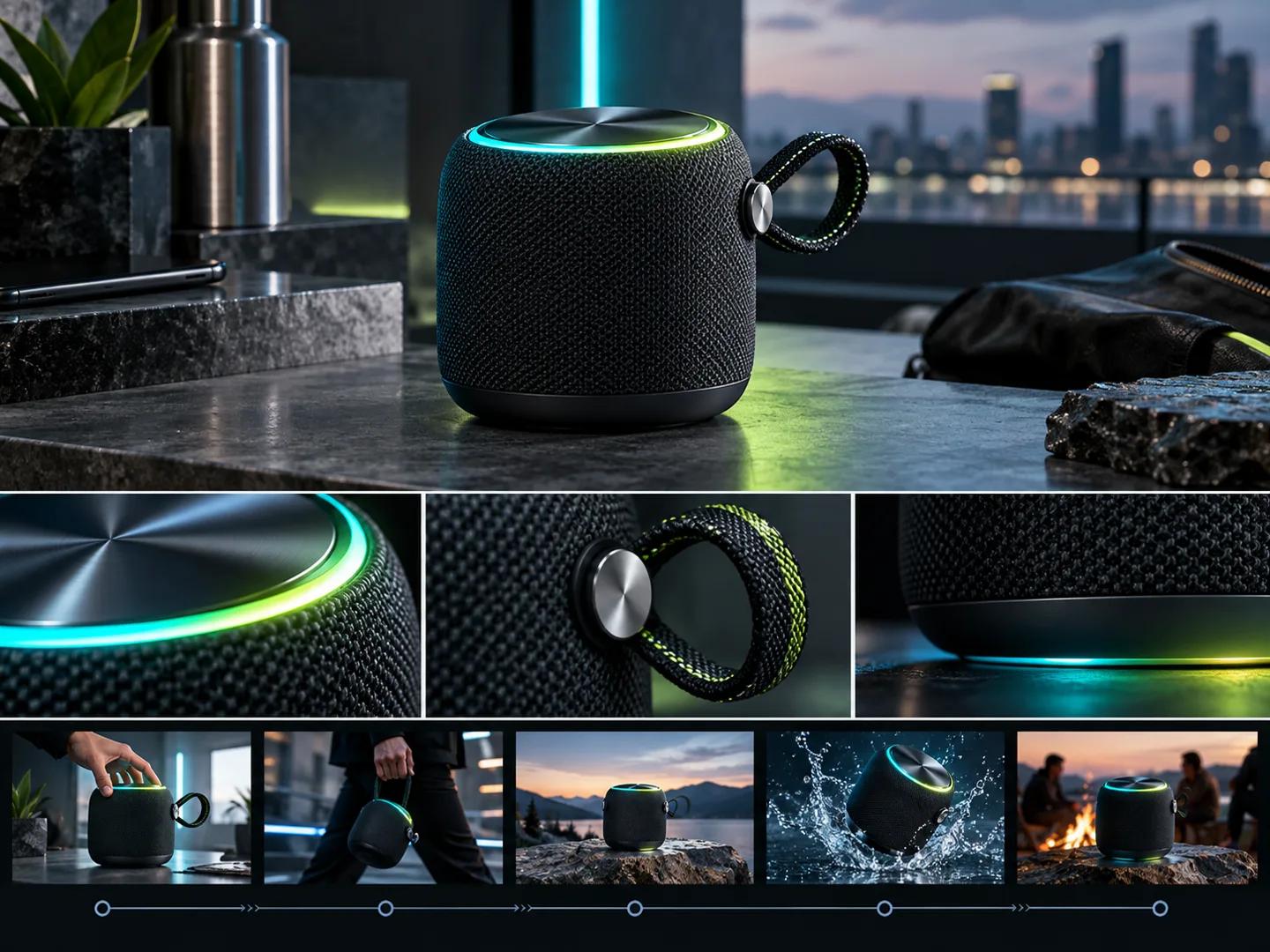
Product Launch
Introduce one recognizable product through shape, material, and a clear visual mood.
Create a feature image and a restrained moving reveal. Approve the product silhouette, then use light or a camera move to reveal detail.

Social Short
Make one visual action immediately readable on a small screen.
Create a short vertical clip with a clear subject and ending. Keep the subject inside the safe crop and simplify background movement.
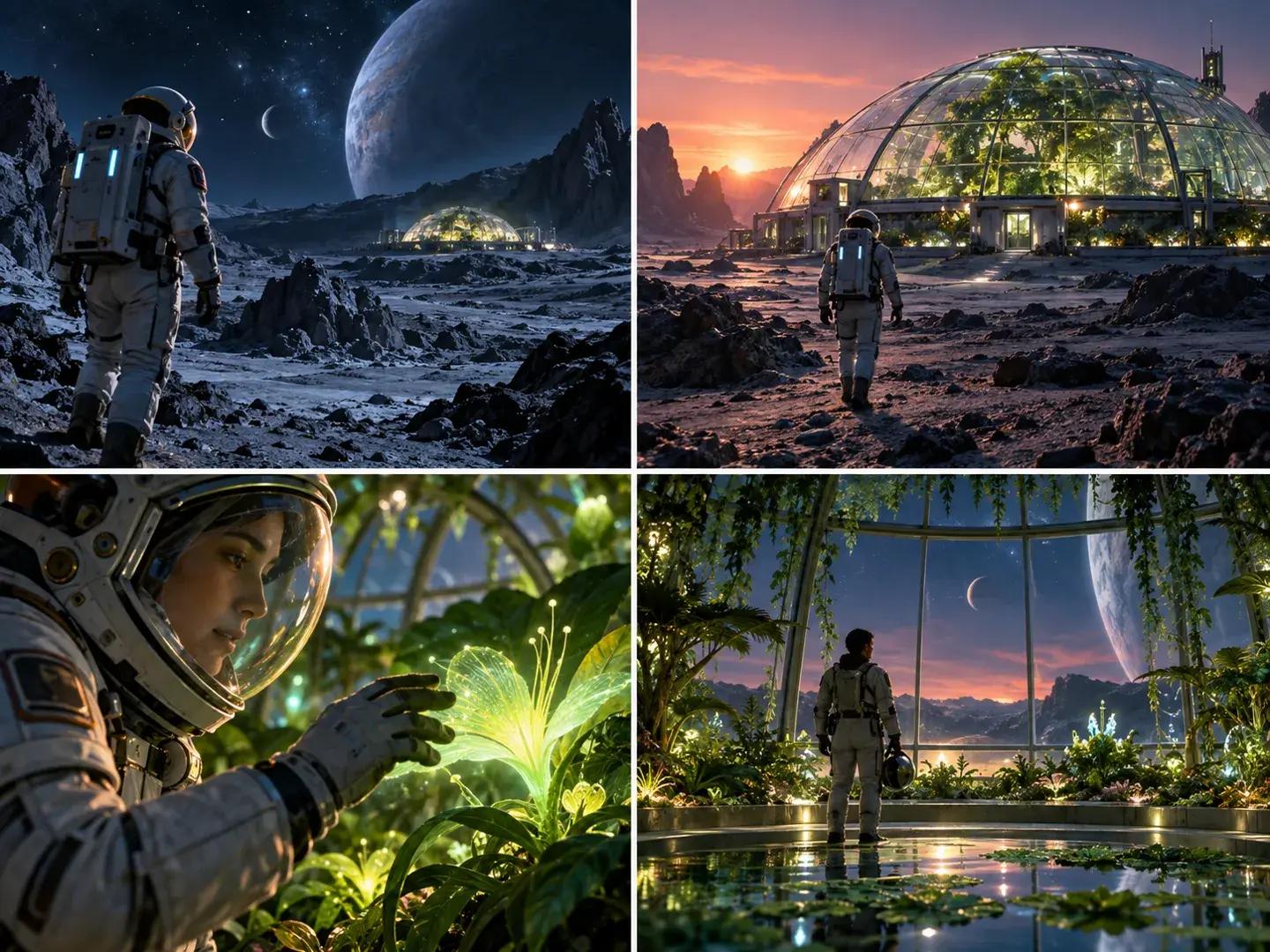
Story Sequence
Connect several moments around a consistent character and setting.
Develop opening images and individual clips for a short sequence. Preserve character appearance and palette while giving each shot one action.
Give your next idea a clear direction
Creen AI: Choose a still image when composition comes first, or a video when the action carries the message.
Browser, account, and mobile access
Choose how to create with Creen AI: work in your browser, organize projects with an account, or develop ideas on mobile.
Browser workflow
Open the visual creation tools in your browser. In the creation panel, select your inputs and review the sign-in, upload, and credit information before sending the request.
Account features
Use your account to organize saved work. Keep downloaded files with their brief and a clear version name so you can find the right material when returning to a project.
Mobile creation
Explore the Creen iPhone app for image and video creation. When working on a phone, enlarge important details and review downloaded files at their intended publishing size.
Understand free access and premium credits
Creen AI offers a starting point for exploration and advanced paid options. Compare the settings, output, and displayed cost to choose your next creation.
Free access
Explore the free options shown for your account and choose a model suited to your first idea. Review the displayed generation cost, select a focused brief, and use the result to plan your next step.
Premium options
For more demanding work, compare the available premium models and settings. Review the displayed charge alongside the output and account balance, then choose the option that fits your project. Manage app purchases and browser offers through their respective account screens.
Creen AI versus a single model workflow
The main difference is the range of creative tasks in the workspace. Compare that range with the output your project needs.
A platform approach helps when a project moves between stills, motion, and sound. A focused model workflow can be useful when you already know the controls and visual behavior you need. The better choice depends on the task and how you review results.
Compare candidates using the same brief and equivalent available settings. Inspect the qualities that affect publication: recognizable subjects, coherent motion, readable composition, and a manageable revision process. Avoid choosing from a single showcase image alone.
For Creen AI research, separate platform breadth from the controls available in a particular creation panel. Use the visible settings for your current job, and keep comparisons grounded in outputs you have actually reviewed.
Before you call the asset finished
Creen AI: A short review protects the idea as it moves from generation to publication.
- 1
Message
Can a viewer identify the subject and purpose without reading the prompt?
- 2
Format
Does the composition survive its intended crop, screen size, and text placement?
- 3
Continuity
Do identity, important shapes, color, and lighting stay consistent where needed?
- 4
Detail
Have you inspected hands, edges, small lettering, surfaces, and background distractions?
- 5
Sound
If sound is present, does it fit the action and leave speech understandable?
- 6
Selection
Have you saved the chosen file with the brief and the settings needed for another revision?
Creen AI questions
Practical answers for choosing a creative starting point.
It brings together AI image and video creation. Typical starting points are written prompts and reference images, with the exact options depending on the selected tool.
No. It is a platform that brings multiple models into creative workflows. Model behavior and available controls can differ, so evaluate the particular task you want to perform.
Start with an image when appearance and composition need approval. Start with video when a visible action or change is the main idea and you can describe it clearly.
Its image and video tools describe reference based workflows. Prepare a clear source and explain which visual qualities should guide the new output.
Build sound around the selected workflow: review its audio controls, plan dialogue, atmosphere, and music, then check the output before assembling the edit.
Creen AI presents free access alongside premium options. Open the creation tool, review the displayed requirements and cost for your selected settings, then submit the task that fits your plan.
Use the sign-in flow shown in the creation panel. An account keeps saved work and credits connected to the generation workflow, so sign in before submitting the task.
There is an iPhone app listing for image and video creation. For final review, inspect the downloaded asset at the size where people will actually see it.
Generation involves interpretation. Simplify conflicting directions, put the main subject first, and revise one element so you can judge whether the change helped.
Reuse the approved brief, palette, and relevant references. Compare related outputs side by side and correct differences in subject appearance, framing, and light before publishing.
Bring one clear idea into focus
Use the Creen AI workflow that matches your next deliverable, and start with a brief you can evaluate.